Leading asphalt plant supplier engineering synergy transforms the decision to buy asphalt plant equipment from isolated procurement to integrated capability acquisition. Balancing competitive hot mix plant price with matching asphalt pavers for sale through unified technical support reduces onsite integration complexity significantly. Project managers evaluating 2026 multi-year highway contracts achieve superior capital optimization through coordinated equipment ecosystems that fragmented sourcing cannot replicate.
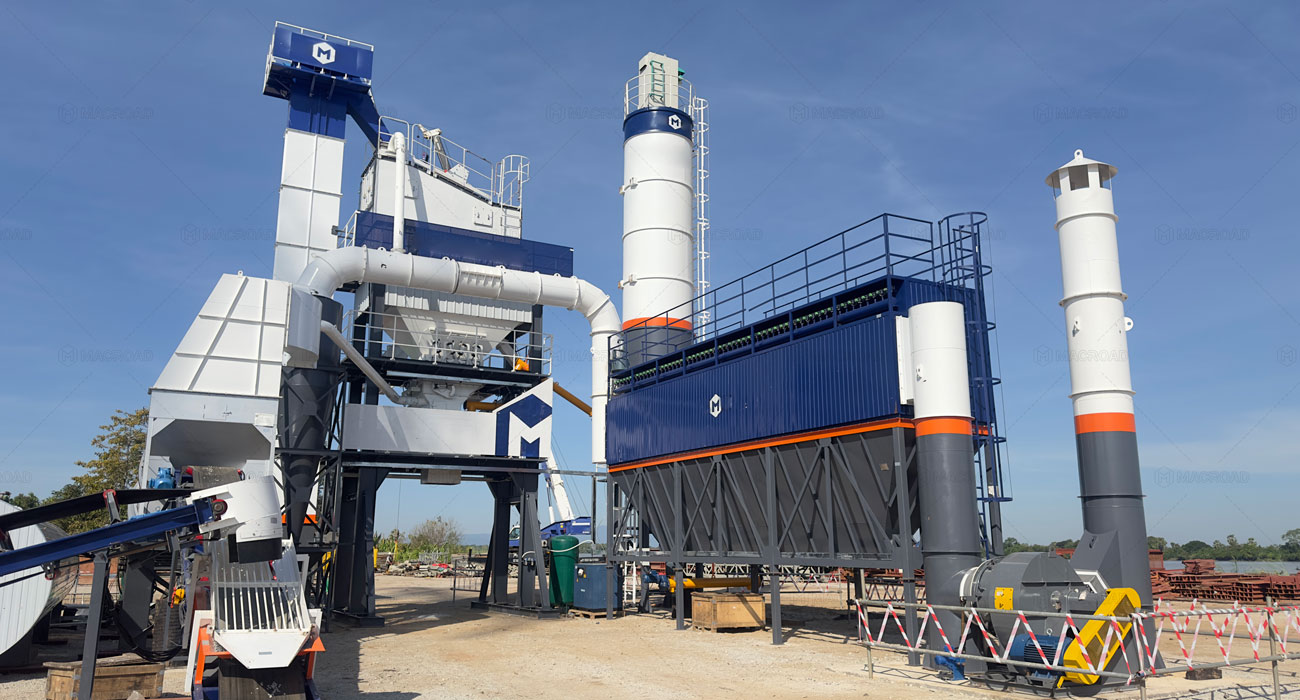
Engineering Synergy Eliminates Interface Risk
Standard multi-vendor procurement creates compatibility gaps between production and placement equipment. Communication protocol mismatches, control system incompatibilities, and thermal profile misalignment generate efficiency losses during commissioning that extend timelines by weeks. When contractors buy asphalt plant units from leading suppliers, unified design ensures telemetry integration linking plant discharge rates, paver screed speeds, and material head depths without middleware or custom programming.
Thermal synchronization distinguishes integrated packages from assembled alternatives. Hot mix plant price competitiveness combined with matched paver thermal retention specifications maintains material workability across extended haul distances. This coordination eliminates temperature depression causing segregation and density deficiencies that core sampling rejects, preserving specification compliance without conservative over-design.
Automated workflow optimization responds to downstream conditions in real-time. When asphalt pavers for sale encounter surface preparation delays or utility conflicts, unified control systems simultaneously adjust plant output and silo heating preserving material viability. Independent configurations lack this responsiveness, generating waste from thermal degradation or emergency shutdowns that destroy project schedules.
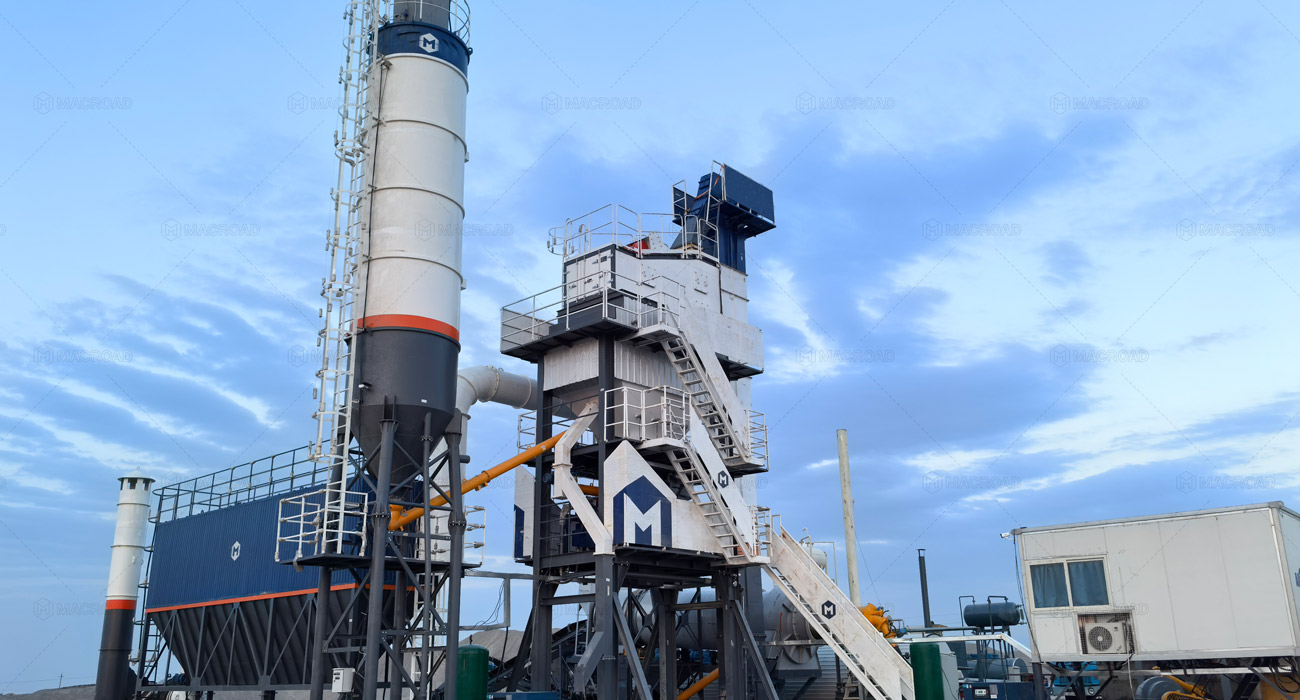
Technical Support Consolidation
Single-point responsibility eliminates vendor dispute delays when interface failures occur. Separate contracts for plant and paver equipment create blame-shifting extending resolution timelines by days or weeks. Asphalt plant supplier package agreements with cross-equipment performance guarantees provide immediate recourse and unified troubleshooting that fragmented sourcing systematically excludes.
Training integration reduces workforce development costs and timelines substantially. Standardized human-machine interfaces across production and placement enable cross-certification, allowing personnel rotation during extended shifts or absences. This flexibility proves essential for multi-year highway contracts requiring sustained staffing without specialized technician dependency on single-equipment expertise.
Spare parts standardization amplifies logistical efficiency across project portfolios. Common control modules, sensor families, and hydraulic components across matched equipment reduce inventory burden by 40-50%. When contractors buy asphalt plant and paver combinations from unified sources, regional distribution centers stock compatible items ensuring rapid availability that multi-brand maintenance cannot match.
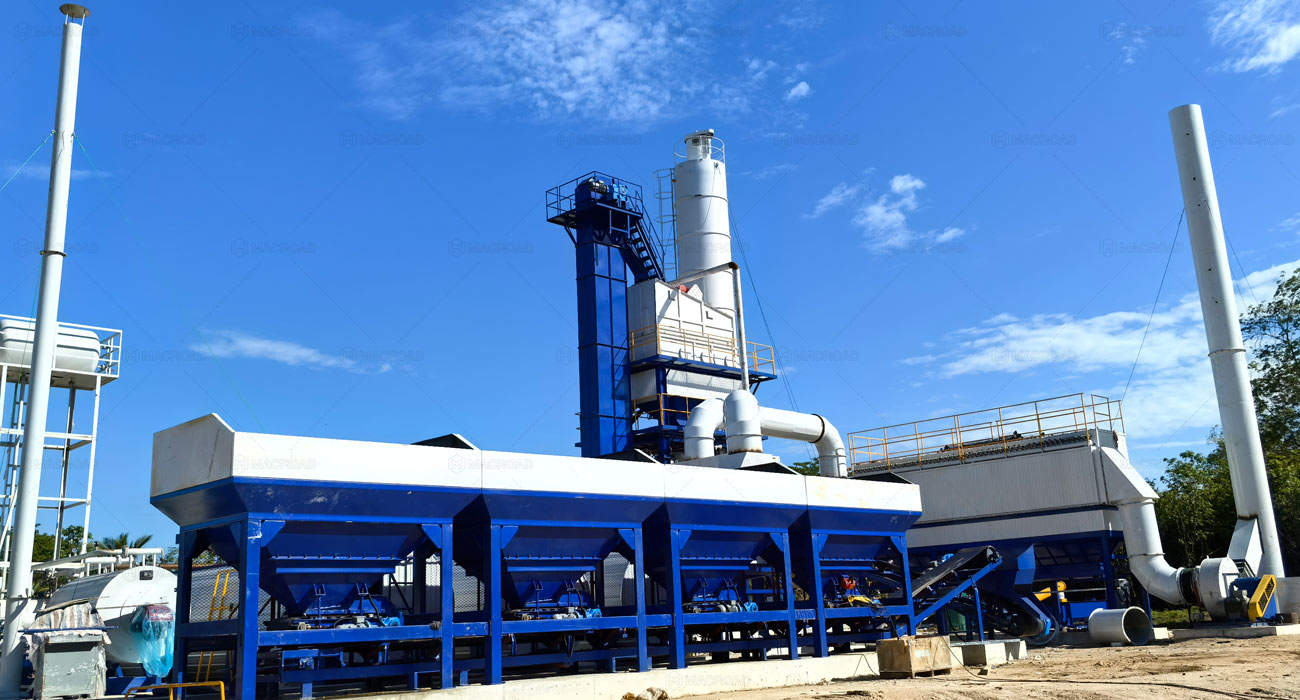
Capital Investment Optimization
Package premiums over separate procurement generate measurable lifecycle returns that justify initial deployment. Eliminated thermal waste, reduced commissioning labor, and preserved schedule certainty recover differentials within compressed operational timeframes. Continuous paving without workflow interruption achieves 15-20% higher daily production rates, enabling contract completion within weather-limited seasons that intermittent operation would forfeit.
Financing structures recognize integration value and reduced operational risk. Equipment loans collateralized by unified warranties and demonstrated interoperability achieve favorable terms reflecting extended viability. Lenders offer improved loan-to-value ratios for integrated packages versus multi-vendor assemblies, improving equity efficiency and return metrics.
Residual value preservation supports long-term economics and portfolio flexibility. Documented asphalt plant supplier backing and proven interoperability command superior secondary market recovery versus unsupported combinations. This liquidity transforms capital from sunk cost to recoverable asset across multi-year contract horizons, enabling strategic evolution as market conditions change.
Conclusion
Evaluating the decision to buy asphalt plant equipment for 2026 highway projects demands analysis of supplier synergy extending far beyond isolated hot mix plant price comparison. Unified procurement with matching asphalt pavers for sale generates superior returns through interface risk elimination, support consolidation, and capital optimization that fragmented sourcing cannot achieve. Consequently, leading asphalt plant supplier integration transforms equipment acquisition from cost minimization to value-maximizing strategy, distinguishing competitive positioning in demanding multi-year infrastructure markets.