Modern construction projects require both speed and precision. The integration of mixing and pumping concrete meets these demands directly. This approach streamlines the entire concrete placement process. It significantly reduces labor and time on site. Furthermore, it enhances the overall consistency and quality of the final pour. This method is especially valuable for projects with limited space or tight schedules. Let us explore the equipment that makes this integration possible and efficient.
Combining Forces for Streamlined Operations
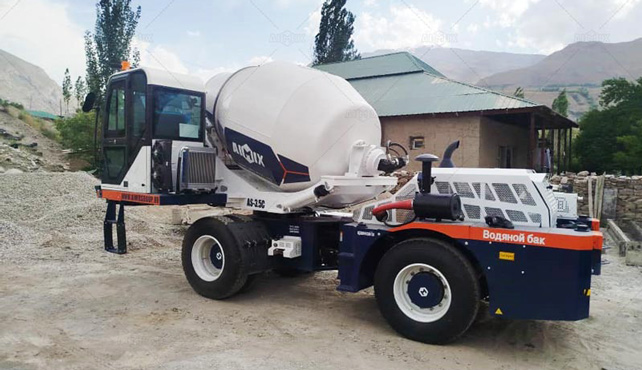
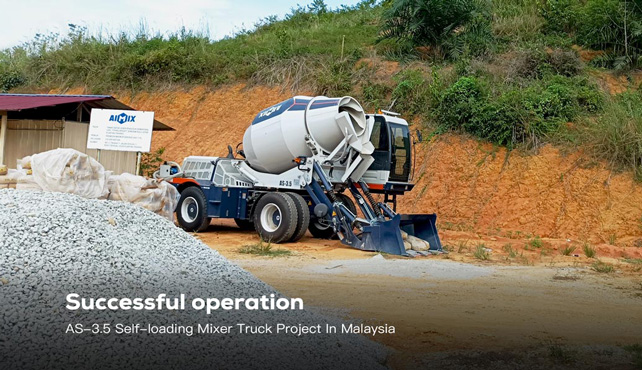
The traditional method involves separate mixing and transporting steps. This process often creates bottlenecks and potential material waste. Integrated solutions combine these stages into a fluid operation. This combination allows for continuous production and delivery. Consequently, it minimizes the risk of concrete setting prematurely. The Aimix self loading concrete mixer is a prime example of this innovation. This machine loads, mixes, and transports concrete autonomously. It eliminates the need for a separate batching plant. Therefore, it is perfect for remote or confined job sites. Operators save considerable time and resources. The result is a more predictable and controlled workflow.
The Power of Mobility in Concrete Placement
Reaching the pour site is frequently a major challenge. Obstacles like rough terrain or existing structures can cause delays. A mobile concrete pump provides the necessary flexibility to overcome these issues. This equipment features its own truck-mounted chassis. It can travel quickly between different locations on a project. Moreover, it sets up rapidly upon arrival. The articulated or telescopic boom delivers concrete precisely. It places material exactly where workers need it. This precision reduces manual handling drastically. It also improves safety by minimizing worker movement in the pour area. The mobility ensures that no section of the site is out of reach.
Delivering Efficiency for Smaller Projects
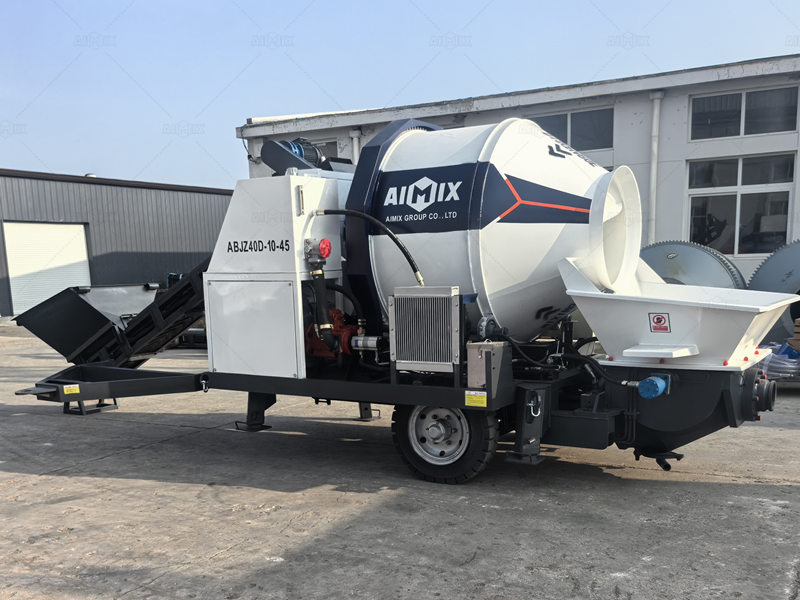
Large-scale equipment is not always the right fit. Many projects involve smaller volumes or detailed work. These scenarios require specialized, compact solutions. A small concrete pump is designed for these specific tasks. It is ideal for applications like swimming pools, sidewalks, or garden walls. This pump handles mixes with smaller aggregates effectively. Despite its size, it maintains a consistent and reliable flow. It can be easily moved by a small team or a forklift. This portability makes it incredibly versatile on diverse sites. Paired with a small concrete mixer machine, it creates a potent compact system. This setup is both cost-effective and highly productive for limited spaces.
The Advantage of a Cohesive System
Using compatible mixing and pumping equipment together offers clear benefits. First, it ensures optimal mix design for the pumping equipment. A cohesive system prevents issues like blockages in the pipeline. Second, it simplifies logistics and project management. You coordinate a single workflow instead of two separate ones. Third, it leads to better overall resource allocation. You use less fuel, fewer man-hours, and create less waste. The Aimix self loading concrete mixer can feed a mobile concrete pump directly. Similarly, a small concrete mixer machine can supply a small concrete pump efficiently. This synergy turns concrete placement into a smooth, continuous operation. The outcome is a faster project timeline and a more reliable structure.
In conclusion, integrating mixing and pumping is a logical step forward. It addresses common inefficiencies in traditional concrete placement. Equipment like the self-loading mixer and mobile pump provides robust solutions for major sites. Meanwhile, small pumps and mixers cater effectively to specialized, smaller-scale work. Choosing the right combination for your project’s scale is crucial. This approach will enhance your site’s productivity noticeably. It also improves the working environment for your crew. Ultimately, it leads to a stronger finished project completed in less time.