The ready mix concrete plant setup cost is one of the most important considerations for contractors, investors, and construction companies planning to enter the concrete production industry. Whether for small-scale residential work or large infrastructure projects, understanding cost structure helps in making informed investment decisions and building a sustainable ready mix concrete plant business plan.
1. Overview of Ready Mix Concrete Plant Investment
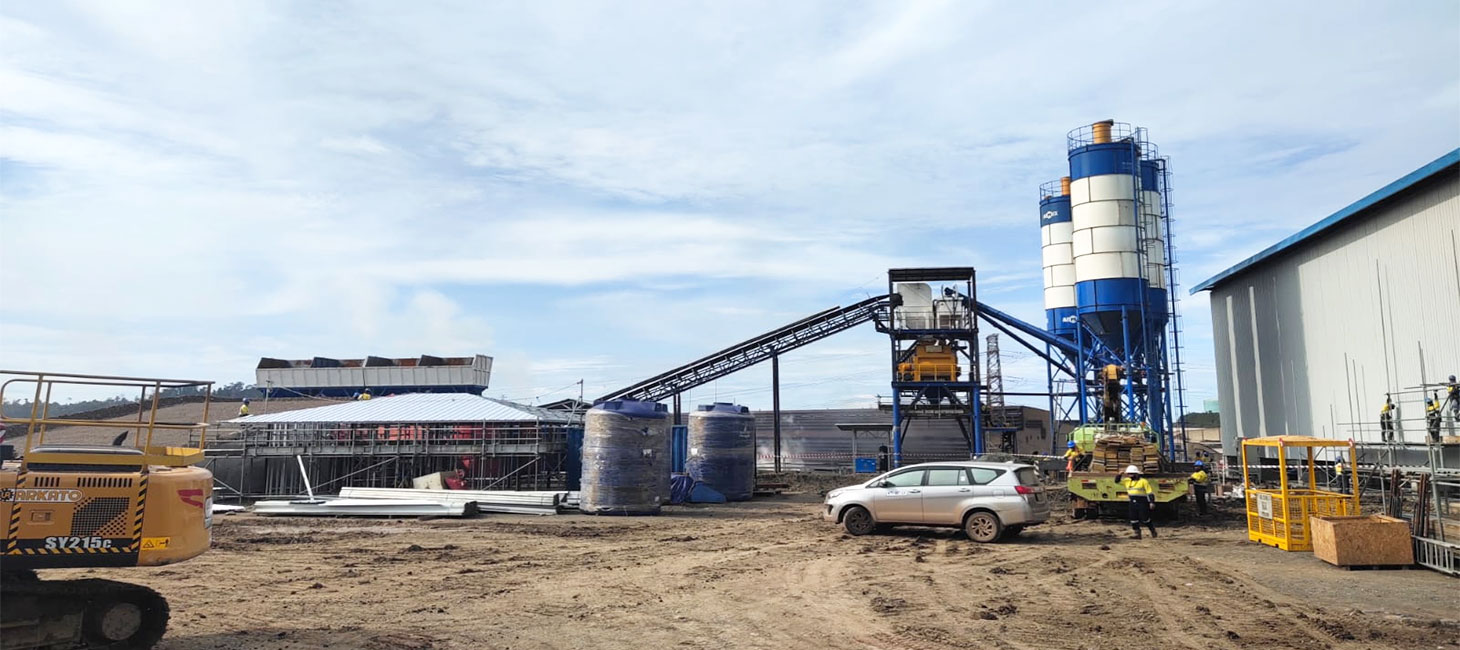
A ready mix concrete plant is a facility designed to produce concrete in controlled proportions and deliver it to construction sites. The setup cost varies widely depending on plant capacity, configuration, automation level, and location.
Small projects often require compact and mobile solutions, while large-scale operations rely on high-capacity stationary systems. In both cases, working with a reliable rmc plant manufacturer plays a critical role in optimizing investment and ensuring long-term operational efficiency.
2. Key Factors Affecting Setup Cost
Several factors influence the total setup cost of a ready mix concrete plant:
- Production capacity: Higher output plants require larger mixers, storage silos, and advanced control systems.
- Plant type: Stationary concrete plants generally cost more than mobile or compact configurations.
- Automation level: Fully automated systems increase initial cost but reduce labor expenses.
- Raw material storage: Cement silos, aggregate bins, and conveyors contribute significantly to investment.
- Location and logistics: Transportation, installation, and land cost vary by region.
These variables must be carefully evaluated when developing a ready mix concrete plant business plan, as they directly impact profitability and payback period.
3. Cost Differences Between Small and Large Projects
For small construction projects, investors typically choose compact or mobile batching systems. These setups have lower initial investment, easier installation, and reduced operational complexity. They are ideal for contractors handling residential buildings, small road repairs, or rural infrastructure.
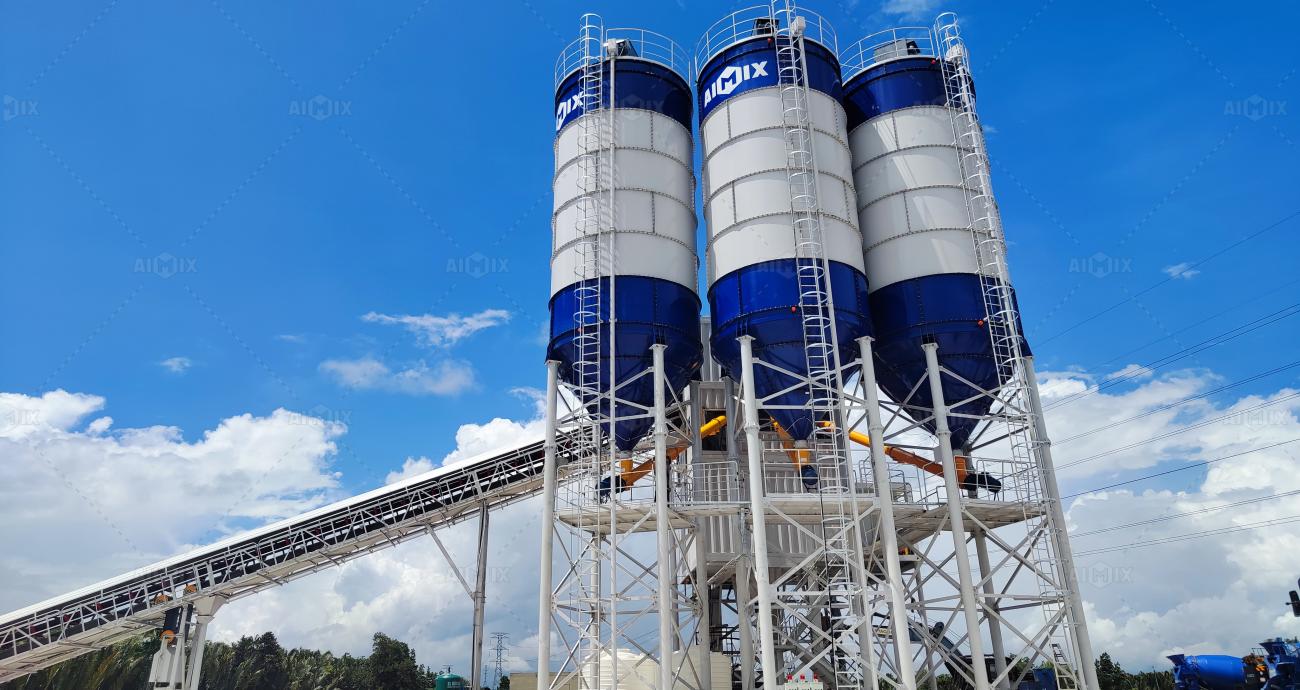
In contrast, large-scale projects such as highways, airports, and commercial complexes require high-capacity stationary plants. Although the ready mix concrete plant setup cost is significantly higher, these systems offer higher output efficiency, better material consistency, and long-term cost savings through economies of scale.
Therefore, project scale is a key factor in determining the most suitable plant configuration and investment level.
4. Role of a Ready Mix Concrete Plant Business Plan
A well-structured ready mix concrete plant business plan is essential before making any investment decision. It helps define production goals, market demand, financial forecasting, and operational strategy.
The business plan typically includes:
- Market demand analysis for construction materials
- Estimated setup and operational costs
- Revenue projections and pricing strategy
- Equipment selection and supplier evaluation
- Risk assessment and mitigation strategies
A detailed plan ensures that investors understand the break-even point and long-term profitability of the project.
5. Importance of Choosing the Right Manufacturer
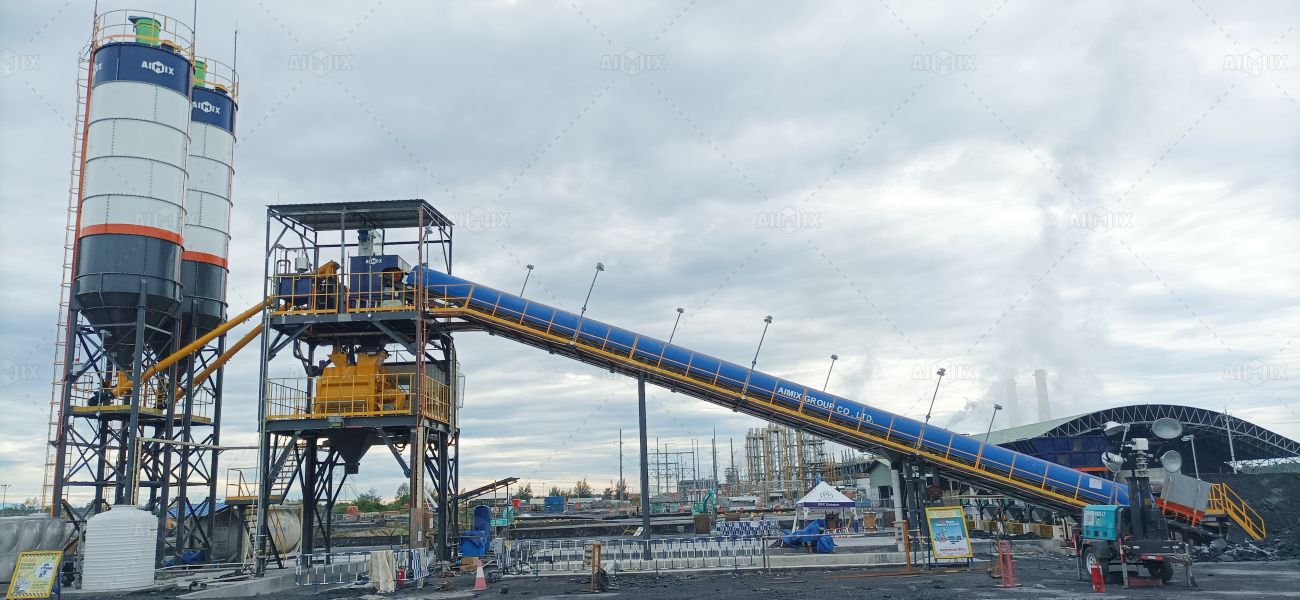
Selecting a reliable rmc plant manufacturer is a critical step in controlling both initial investment and long-term performance. A professional manufacturer provides not only equipment but also technical support, installation guidance, and after-sales service.
High-quality manufacturing ensures better durability, lower maintenance costs, and stable concrete output. Additionally, experienced suppliers can customize plant configurations based on project requirements, helping optimize the overall setup cost.
6. Long-Term Cost Considerations
While initial investment is important, long-term operational costs should not be overlooked. These include maintenance, energy consumption, labor, and raw material handling.
Modern batching plants are designed to improve efficiency and reduce waste, which significantly lowers operating expenses over time. Automation systems also help reduce human error and improve production consistency, contributing to better cost control.
Conclusion
Understanding the ready mix concrete plant setup cost requires a comprehensive view of both technical and financial factors. Small projects benefit from lower-cost, flexible solutions, while large-scale operations prioritize efficiency and high output capacity.
A strong ready mix concrete plant business plan, combined with support from a trusted rmc plant manufacturer, ensures that investors can achieve balanced cost control and long-term profitability in the competitive construction industry.