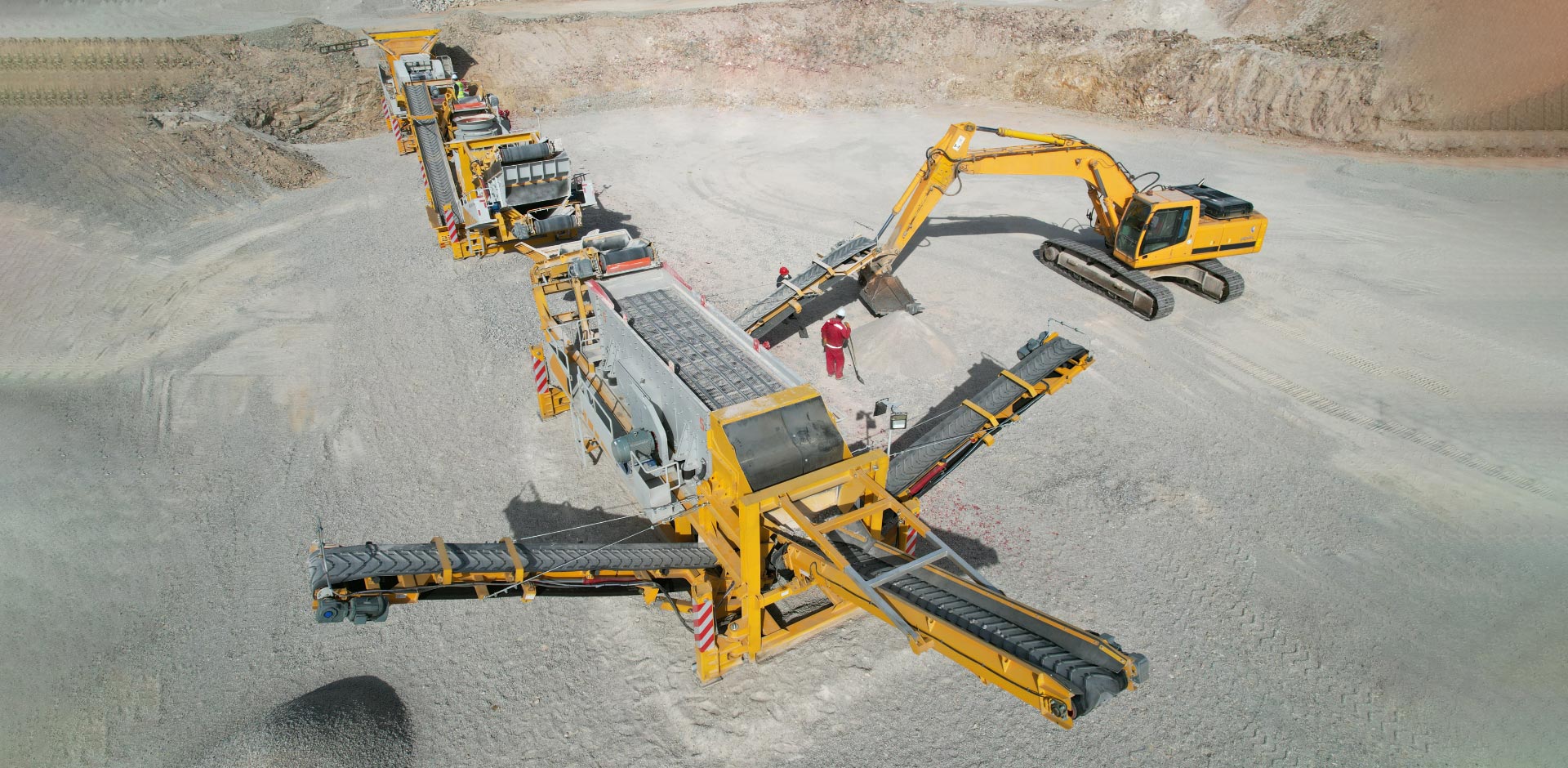
Granite is not a forgiving rock. It is dense, abrasive, and strong. Crushing it requires a machine that is equally unforgiving. The mobile jaw crusher is that machine. It accepts the blast rock that falls from the quarry face. It squeezes it between two steel plates. It reduces it to a size that can be screened, sorted, and sold. The workflow from quarry face to aggregate stockpile is a sequence of deliberate steps. Each step must be planned. Each step must be executed with discipline. This article argues that the mobile jaw crusher, when deployed correctly, is the most efficient tool for primary crushing of granite. It also argues that the workflow does not end with the jaw. The jaw is the beginning. The rest of the circuit—conveyors, screens, and secondary crushers—completes the story.
Primary Crushing: The Jaw at Work
Feed Size and Closed Side Setting
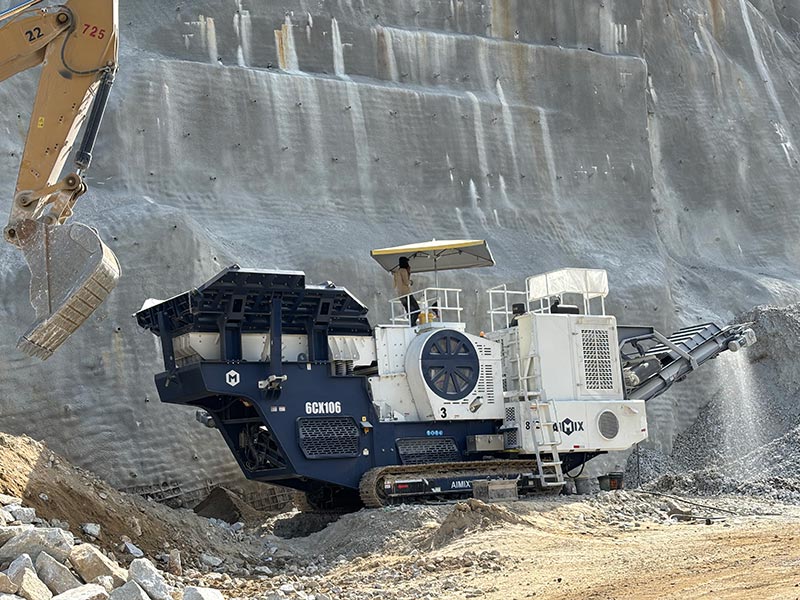
The mobile jaw crusher arrives at the quarry face. The excavator loads blast rock into its hopper. The rock is irregular. Some pieces are 500 millimetres across. Some are 800. The jaw crusher’s feed opening must accommodate the largest piece. A 900 by 600 millimetre jaw accepts rock up to 500 millimetres. A 1200 by 800 millimetre jaw accepts rock up to 700. The closed side setting determines the output size. A setting of 100 millimetres produces rock that is mostly under 150 millimetres. A setting of 150 millimetres produces rock that is mostly under 200 millimetres. The creative argument is that the setting should be as coarse as the downstream circuit allows. A coarser setting increases throughput. It also reduces wear on the jaw dies. The secondary crusher can handle the slightly larger material. Do not make the jaw do work that the secondary can do more efficiently.
Jaw Die Wear and Rotation
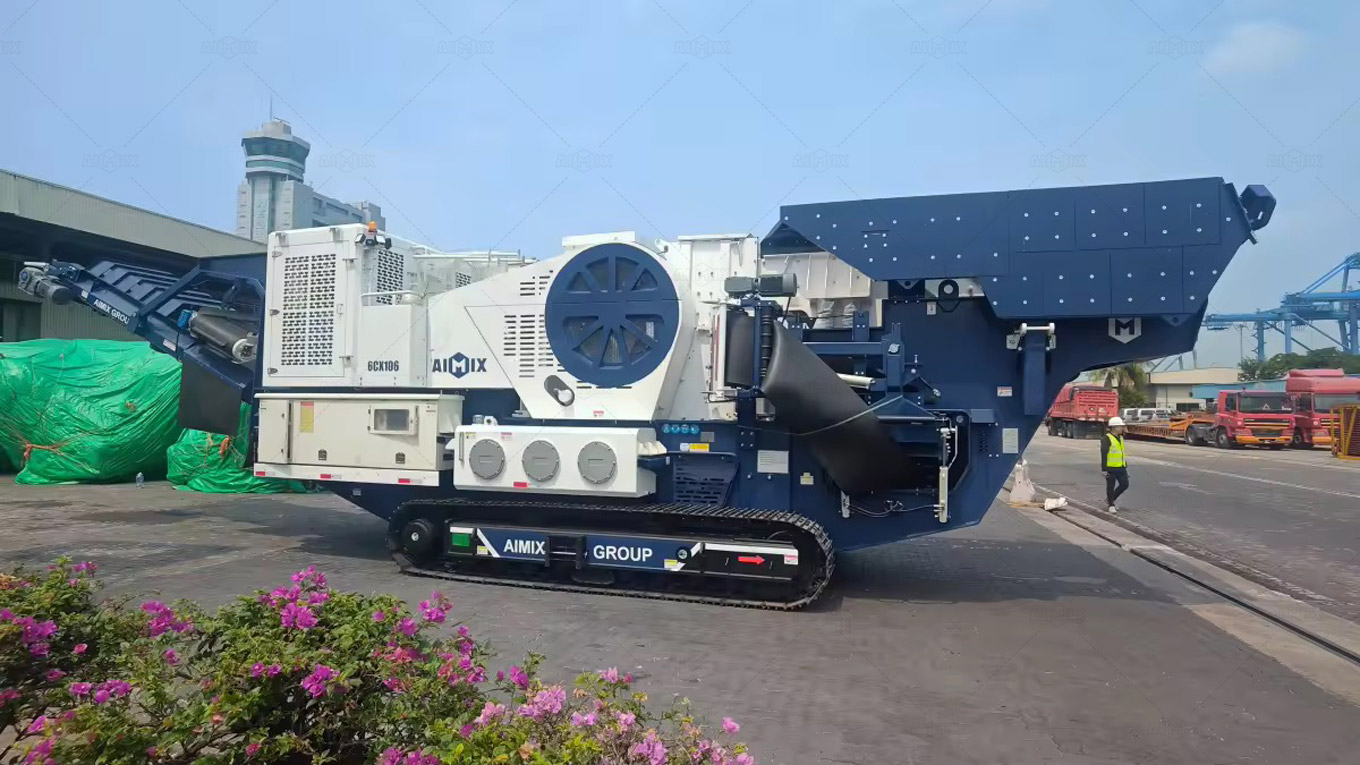
Granite wears jaw dies. The abrasive quartz crystals scratch the manganese steel. The wear is not uniform. The bottom of the jaw dies wears faster than the top. The fixed jaw wears differently than the moving jaw. The creative observation is that many operators change dies too early or too late. The correct time to rotate or replace is when the die profile has worn to the point that the crusher struggles to grip the rock. The operator hears the difference. The rock slips. The granite crusher chokes. The solution is to rotate the dies. Most jaws are designed with four-piece dies. The top and bottom pieces can be swapped. This extends die life by 50 to 100 percent. The creative advice is to track die wear weekly. Measure the tooth height. Plot the wear curve. Rotate when the curve steepens. The machine will tell you. Listen to it.
Conveying and Screening: The Middle Workflow
Belt Speed and Skirt Board Design
The jaw crusher discharges onto a conveyor. The conveyor carries the crushed rock to a screen. The belt speed matters. Too fast, and the rock bounces off the belt. Too slow, and the belt is underutilised. The creative argument is that belt speed should be matched to the material. Granite is heavy. A slower belt speed prevents spillage. The skirt boards at the loading point are equally important. They contain the rock as it lands on the belt. They must be adjusted to just clear the belt. A gap that is too large allows rock to escape. A gap that is too small grinds the belt. The creative observation is that a worn skirt board is a common source of spillage. Inspect them weekly. Adjust them. Replace them when worn. The conveyor is the artery of the crushing circuit. Keep it clear.
Screening Efficiency and Media Selection
The screen separates the crushed rock into fractions. Oversize returns to the crusher. Undersize goes to the product stockpile. The screen media—the mesh or punch plate—determines the separation. For granite, polyurethane screens last longer than wire mesh. They also blind less frequently. The creative argument is that screen selection is often overlooked. Operators use the media that came with the screen. They do not experiment. They settle for mediocre efficiency. A small investment in premium screen media can increase throughput by 10 to 20 percent. Test different media. Measure the results. Choose the media that gives the highest tonnage at the lowest cost per tonne.
Secondary and Tertiary Options
Cone Crushers for Hard Rock
The jaw crusher produces a flaky, elongated product. This shape is acceptable for many applications. For high-spec aggregate, a cone crusher is added after the screen. The cone crushes the oversize material to a cubical shape. Cubical particles interlock better. They produce stronger concrete. The creative argument is that a cone crusher is not always necessary. For road base and fill material, the jaw product is often sufficient. For concrete aggregate, a cone is usually required. The decision is economic. Compare the price premium for cubical aggregate against the capital cost of the cone. Run the numbers. Let the math decide.
The VSI for Manufactured Sand
Some quarries produce manufactured sand. The sand is made by crushing granite to 0 to 5 millimetres. A vertical shaft impactor (VSI) is the best tool for this task. The VSI throws rock against a rock-lined chamber. The rock-on-rock action creates a cubical particle with a sharp edge. The VSI also fractures the rock along natural cleavage planes. This reduces the amount of flat particles. The creative observation is that a VSI sand making machine is expensive to operate. The wear parts—rotor tips and anvils—consume quickly in granite. The operating cost per tonne can be two to three times that of a cone crusher. The VSI is only justified when the sand product commands a premium price. For many quarries, the economics do not work. Do not buy a VSI because it is cool. Buy it because the spreadsheet says yes.
The creative conclusion is that the quarry-to-aggregate workflow is a sequence of interdependent steps. The mobile crusher plant for sale starts the process. It breaks the rock. It sets the stage. The conveyor and screen move and separate the material. The secondary crusher shapes it. The tertiary crusher refines it. Each step must be tuned to the others. A bottleneck anywhere stops the flow. The operator who understands the workflow can adjust settings, change media, and add equipment to optimise the circuit. The operator who does not understand will struggle with spillage, low throughput, and premature wear. The workflow is a system. Treat it as one. Respect it. It will reward you with tonnes of aggregate and a healthy profit.