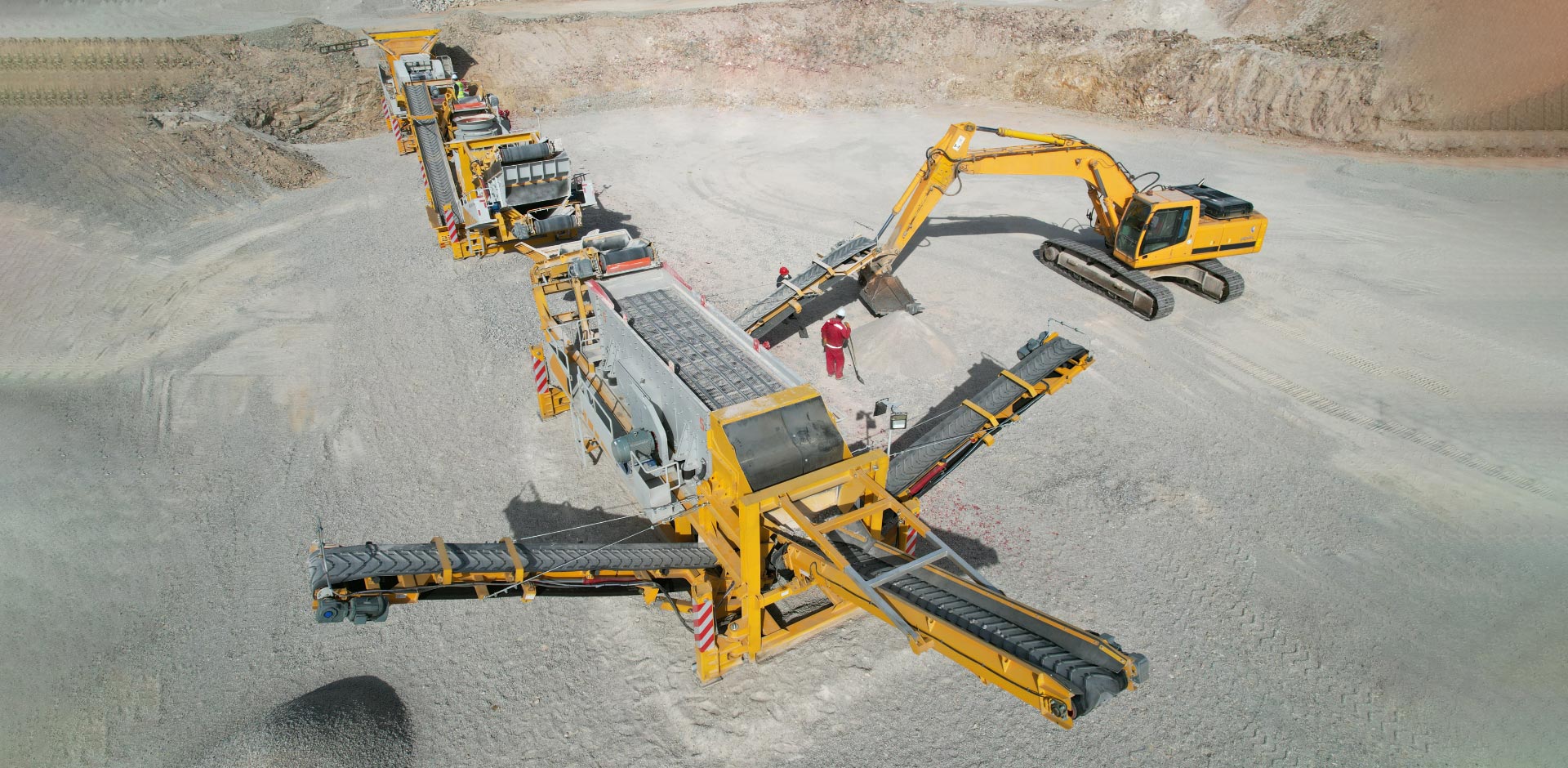
Choosing a crusher machine for sale is only one part of designing an efficient aggregate production line. The crusher must work together with feeders, vibrating screens, conveyors, and stockpiles to maintain a continuous material flow. If the crushing capacity is significantly higher than the screening or conveying capacity, bottlenecks can occur and reduce overall productivity. Conversely, oversized screening and conveying equipment can increase investment without providing meaningful benefits. A balanced system ensures that each component operates at a compatible capacity and helps improve production efficiency, product quality, and equipment utilization.
Why Crushing, Screening, and Conveying Capacity Must Be Balanced
A crushing plant is a connected production system rather than a collection of independent machines. Raw material enters through the feeder, passes through one or more crushers, reaches the screening system, and is finally transported to different stockpiles by conveyors.
The actual production capacity of the complete plant is generally limited by its bottleneck. For example, a crusher may theoretically process 200 tons per hour, but if the screen can only handle 150 tons per hour, the complete line cannot consistently produce 200 tons per hour.
Therefore, buyers should evaluate the capacity of the entire production process when selecting a crusher machine for sale rather than focusing only on the crusher’s rated output.
Start with the Required Aggregate Production Capacity
The first step is to determine the amount of aggregate required per hour, day, or month. Production targets should consider the project’s construction schedule, customer demand, raw material availability, and expected operating hours.
For example, if a quarry needs approximately 150 tons of finished aggregate per hour, the crushing line should be configured to comfortably meet this demand. The crusher should have sufficient capacity, while the screens and conveyors should be capable of handling the corresponding material flow.
It is also important to consider that the rated capacity of equipment may vary according to material characteristics, feed size, moisture content, crusher settings, and operating conditions. A practical configuration should therefore include reasonable operating flexibility rather than continuously pushing every component to its maximum theoretical capacity.
Selecting the Right Crusher Type for the Required Capacity
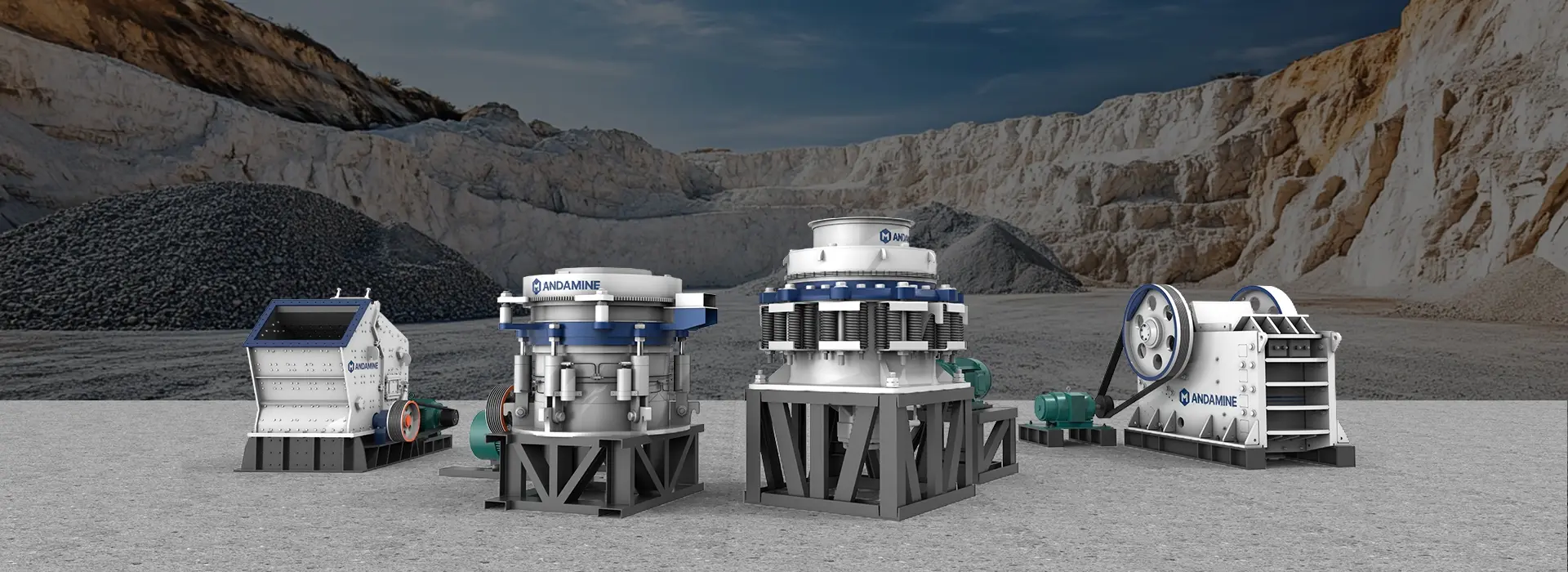
The type of crusher has a direct influence on production capacity, reduction ratio, product shape, and downstream screening requirements. Different applications may require jaw crusher machines, cone crushers, impact crushers, or a combination of several types.
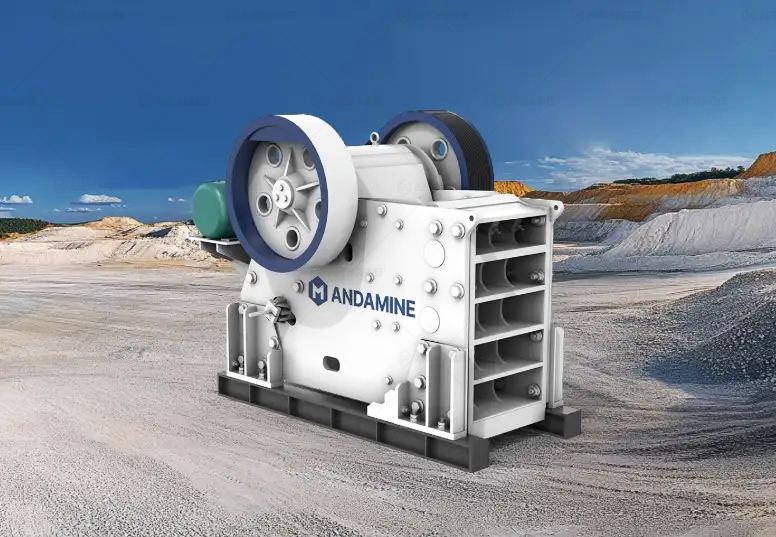
Jaw crusher machines are commonly used for primary crushing because they can handle large feed sizes and reduce raw rock into a suitable size for secondary processing. When selecting a jaw crusher, buyers should consider the maximum feed size, desired discharge size, material hardness, and required throughput.
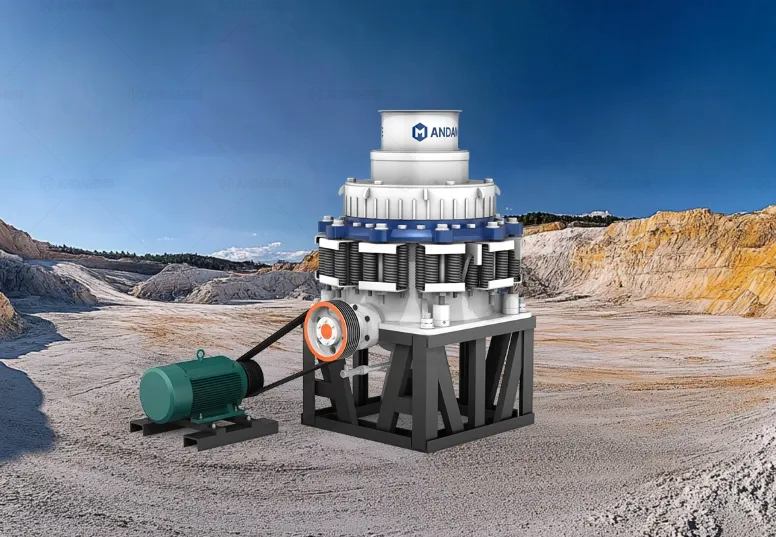
A cone crusher machine is frequently used for secondary or tertiary crushing, particularly when processing hard and abrasive materials. It can further reduce material after primary crushing and help produce more controlled aggregate sizes.
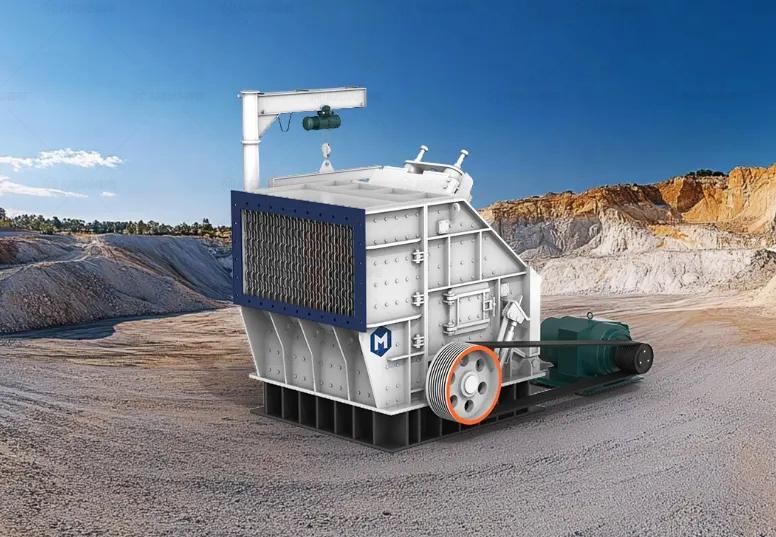
An impact crusher machine may be suitable for materials where particle shape and impact crushing performance are important. Depending on the material and application, it can be used for primary, secondary, or further crushing stages.
The correct crusher should therefore be selected based on the entire production process rather than capacity alone.
Matching the Screen Capacity with Crusher Output
Screening is responsible for separating crushed material into different sizes. A vibrating screen that is too small for the crusher output can become a major bottleneck.
For example, if a crushing system continuously sends more material to the screen than it can process, material may accumulate around the transfer points or crusher discharge. This can reduce production efficiency and potentially increase the risk of equipment overload.
Screen selection should consider total feed capacity, material characteristics, required separation sizes, number of screen decks, moisture content, and the desired final products.
Multi-deck vibrating screens can separate material into several aggregate sizes during one screening process. Oversized particles can be returned to a secondary or tertiary crusher for additional reduction, creating a closed-circuit crushing system.
How Conveyors Affect Overall Crushing Capacity
Conveyors are responsible for transferring materials between crushing stages, screens, and finished-product stockpiles. Their capacity should be compatible with the expected material flow throughout the plant.
An undersized conveyor can restrict the output of a high-capacity crusher and create material accumulation. Conveyor width, belt speed, material density, conveying distance, inclination, and transfer-point design all affect its practical capacity.
Conveyors should also be designed to minimize spillage and unnecessary material handling. Proper transfer points can maintain a stable flow while reducing material loss and cleaning requirements.
Consider the Crushing Ratio and Recirculating Material
Capacity calculations should account for the crushing ratio and the amount of material returning through the closed circuit. The nominal feed rate does not always represent the total amount of material that the screen and conveyors must handle.
For example, in a closed-circuit plant, oversized material from the screen may return to the cone crusher machine for another crushing cycle. This means the screen and conveyors can handle more material than the final saleable output.
Proper system design must therefore consider both new feed material and recirculating material. Ignoring this factor may result in undersized screens or conveyors.
Allow a Reasonable Capacity Margin
Matching capacities does not mean selecting every component with exactly the same rated output. A reasonable capacity margin can help the plant handle variations in material characteristics and operating conditions.
If every machine operates continuously at its maximum rated capacity, even a small fluctuation in feed size, moisture, or material hardness can affect production. Providing appropriate capacity reserves can make the system more stable.
However, excessive oversizing should also be avoided. Installing a screen or conveyor with substantially more capacity than the crusher can provide may increase equipment cost, footprint, and energy consumption without improving actual production.
Designing the Complete Material Flow
A professional crushing plant should be designed from the material flow backward. Start with the required finished products, determine the screening specifications, calculate the required crushing output, and then select appropriate feeding and conveying equipment.
For example, a typical hard-rock aggregate line may use a feeder to supply jaw crusher machines for primary crushing. The material can then enter a cone crusher machine for secondary reduction before reaching a multi-deck vibrating screen. Oversized material can return to the cone crusher, while qualified products are transported by conveyors to separate stockpiles.
For suitable materials, an impact crusher machine may replace or supplement the cone crusher when the project requires a different crushing process or improved particle shape.
Conclusion
Selecting a crusher machine for sale should always involve the complete crushing, screening, and conveying system. Crusher capacity, screen capacity, conveyor performance, material characteristics, crushing stages, and recirculating loads must be considered together to prevent production bottlenecks.
Whether a project uses jaw crusher machines for primary crushing, a cone crusher machine for secondary and tertiary processing, or an impact crusher machine for suitable materials and applications, each component should be properly matched with the rest of the plant. A balanced configuration can maintain stable material flow, improve equipment utilization, reduce unnecessary downtime, and support consistent aggregate production.