Many builders need reliable concrete equipment for daily work. In New Zealand, job sites often vary by distance, terrain, and project size. Therefore, choosing the right cement concrete mixer machine matters for both cost and efficiency. Buyers may need a simple mixer for farm work, a transportable unit for housing, or a larger model for infrastructure jobs. As a result, the best choice depends on actual site conditions, not only machine size.
When customers search for a concrete mixer nz solution, they often compare mobility, output, and ease of use. Some projects need only basic mixing. Others need loading, transport, and discharge in one process. Therefore, this guide explains the main types, common applications, and key factors to consider before buying. It also compares standard units with a self loading concrete mixer and a mobile concrete mixer machine.
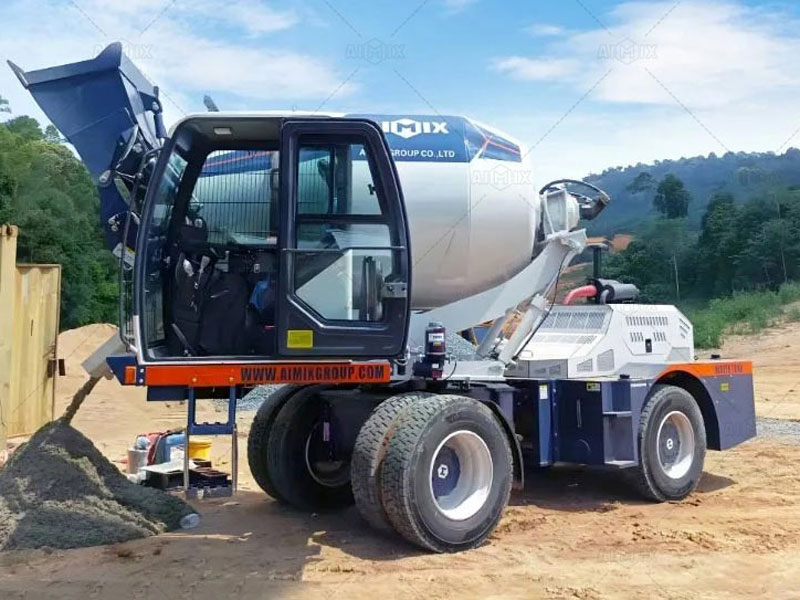
Why Mixer Selection Matters in NZ
New Zealand has a wide range of construction environments. Some sites are in cities with limited space. Others are in rural or remote areas with longer travel distances. Therefore, one machine does not suit every project. A compact unit may work well for backyard construction. However, larger road or agricultural projects may need more output and stronger mobility.
Weather and access also affect equipment choices. Wet ground, sloped land, and changing road conditions can slow concrete work. Therefore, buyers should think beyond drum capacity. They should also review mobility, transport method, and maintenance access. A suitable cement concrete mixer machine helps crews work more smoothly under local conditions. In addition, it can reduce delays caused by site layout or transport limits.
What Is a Cement Concrete Mixer Machine?
A cement concrete mixer machine blends cement, sand, aggregate, and water into fresh concrete. It helps crews prepare concrete for foundations, slabs, walls, and many other tasks. Some mixers are simple drum units. Others include advanced features for loading, weighing, or transport. Therefore, buyers should match the machine to the project, not only the price.
When buyers search for concrete mixer nz, they may see many different machine types. Some are towable. Some are truck-mounted. Some are designed for off-road use. In addition, a mobile concrete mixer machine offers more flexibility for jobs that move often. Because of these options, customers should compare the full work process before making a final decision.
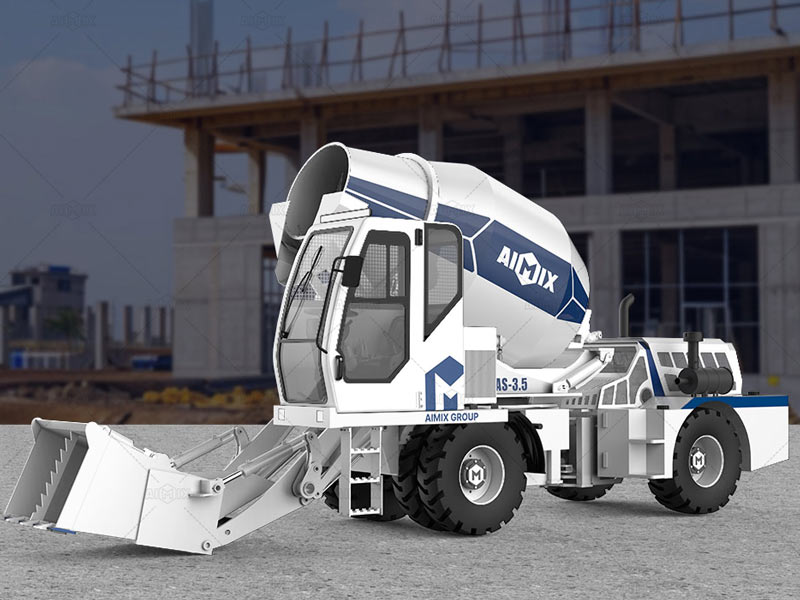
Common Types of Concrete Mixer NZ Buyers Consider
Several mixer types are common in the New Zealand market. Each one suits a different working style. Therefore, customers should understand their main differences before buying.
Towable Drum Mixers
Towable mixers are often used for smaller jobs. They are simple, compact, and easy to move with a vehicle. Therefore, they suit home building, repairs, and light commercial work. They also fit sites with narrow access. However, they usually have lower output than larger machines.
For buyers with moderate daily demand, this type may be enough. It also has a simpler structure, so maintenance can be easier. Still, customers should check drum size, power source, and discharge design. These details affect daily performance more than many expect.
Truck-Mounted and Mobile Units
A mobile concrete mixer machine often suits contractors working across several locations. It can travel between sites more efficiently than fixed equipment. Therefore, it helps crews handle changing schedules and project areas. It is often useful for housing, utility work, and regional construction.
These machines may also reduce delays linked to outside concrete supply. Because of that, many contractors prefer them for medium-sized projects. However, buyers should review road rules, fuel use, and service access. In NZ, local transport conditions can strongly affect machine value over time.
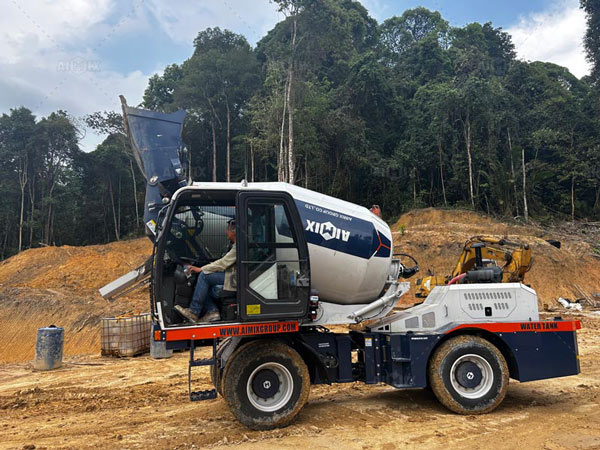
Self Loading Concrete Mixer
A self loading concrete mixer combines loading, mixing, transport, and discharge in one unit. Therefore, it can support job sites with limited labor or equipment. It is especially useful in rural areas, farm projects, and remote construction zones. In these cases, the machine may reduce the need for a separate loader.
Many customers compare a self loading concrete mixer with a standard cement concrete mixer machine. The main difference is work independence. A self-loading model can complete more tasks without support machines. However, the right option still depends on output needs, budget, and road conditions.
Key Benefits of a Mobile Concrete Mixer Machine
A mobile concrete mixer machine offers flexibility for projects in different locations. Instead of depending on a fixed plant, contractors can mix closer to the pour area. Therefore, they gain better control over timing. This is useful when delivery from a batching plant is slow or costly.
Another benefit is better response to changing job schedules. Some projects need concrete at different times or in smaller batches. A mobile unit makes that easier. In addition, it helps reduce material waste because crews can mix only what they need. For many NZ customers, that practical control matters more than very high output.
Mobility also supports work in remote or developing areas. Some locations have difficult access or limited support services. Therefore, a mobile concrete mixer machine can improve planning and reduce transport pressure. This makes it a useful option for contractors who manage mixed project types.
How to Choose the Right Cement Concrete Mixer Machine
A good buying decision starts with project planning. First, estimate the daily concrete volume. Then, review the site conditions, road access, and work schedule. These points help define the needed capacity and mobility. Without this step, buyers may choose a machine that is too small or too complex.
Customers in the concrete mixer nz market should also compare power systems. Some mixers use electricity, while others use diesel engines. Electric units may suit stable worksites with power access. Diesel units may be more practical for rural or changing locations. Therefore, site infrastructure should guide this choice.
It is also important to review operator needs. A simple machine may suit a small team better. On the other hand, a self loading concrete mixer may support sites with fewer workers. Therefore, labor availability can influence equipment value as much as machine specifications.
Check Capacity and Mixing Efficiency
Capacity should match daily demand. A machine with low output may slow the job. However, a larger model may raise purchase and operating costs. Therefore, buyers should aim for balance. They should also ask about batch cycle time and drum speed.
Mixing quality matters as well. Poor mixing can affect concrete consistency and job results. Therefore, customers should review blade design, drum angle, and water control. A reliable cement concrete mixer machine should support steady and repeatable mixing under normal site conditions.
Consider Maintenance and Service Support
Maintenance should be simple and practical. Therefore, buyers should inspect lubrication points, cleaning access, and engine service areas. Machines that are hard to maintain may cause more downtime later. This is important for contractors with frequent project schedules.
Service support also matters in the concrete mixer nz market. Before buying, ask about spare parts, response time, and technical assistance. A suitable machine with weak support can create long delays. Therefore, local service capacity should be part of the buying decision.
Where These Mixers Are Commonly Used in NZ
A cement concrete mixer machine is useful across many sectors in New Zealand. It supports house building, driveway work, farm buildings, and retaining walls. It is also common in drainage, road repairs, and utility projects. Because project sizes vary, the market includes both simple and advanced mixer models.
A mobile concrete mixer machine often suits contractors who handle work across several regions. It helps them shift equipment as project locations change. Meanwhile, a self loading concrete mixer is useful in remote areas where support machines are limited. Therefore, the final choice depends on how and where the machine will be used most often.
Buying Tips for Concrete Mixer NZ Customers
Before asking for a quotation, prepare a clear list of needs. Include daily output, project type, and site access details. Then, ask suppliers which model fits those conditions. This approach helps avoid buying on price alone. In many cases, the cheapest machine is not the most suitable one.
Customers should also ask for technical specifications and operation details. For example, ask about drum capacity, engine brand, fuel use, and discharge height. If you need more flexibility, compare a standard unit with a self loading concrete mixer. If transport matters most, review a mobile concrete mixer machine instead.
Finally, ask about delivery time, training, and warranty support. These details affect how quickly the machine can start working. They also influence long-term ownership costs. Therefore, practical service information is just as important as the machine itself.
Final Thoughts
Choosing the right cement concrete mixer machine in New Zealand requires careful planning. Project size, location, access, and labor all affect the best option. Therefore, buyers should compare machine type, capacity, and support before making a decision. A standard cement concrete mixer machine may suit basic jobs well. A mobile concrete mixer machine may fit projects with changing locations. A self loading concrete mixer may work better where site support is limited. For customers searching for concrete mixer nz equipment, the best machine is the one that fits real job needs and daily working conditions.