Purchasing a gantry crane is a significant investment for manufacturers, warehouses, construction companies, ports, shipyards, and precast concrete plants. While many buyers focus primarily on the purchase price, the true cost of a gantry crane extends far beyond the equipment itself. Installation, commissioning, maintenance, and long-term operating expenses all contribute to the total cost of ownership.
Understanding these costs before requesting quotations helps you compare suppliers more accurately, avoid unexpected expenses, and choose a crane that provides the best long-term value rather than simply the lowest initial price.
This guide provides a comprehensive breakdown of gantry crane costs, covering equipment, installation, maintenance, and hidden expenses that buyers should consider before making an investment.
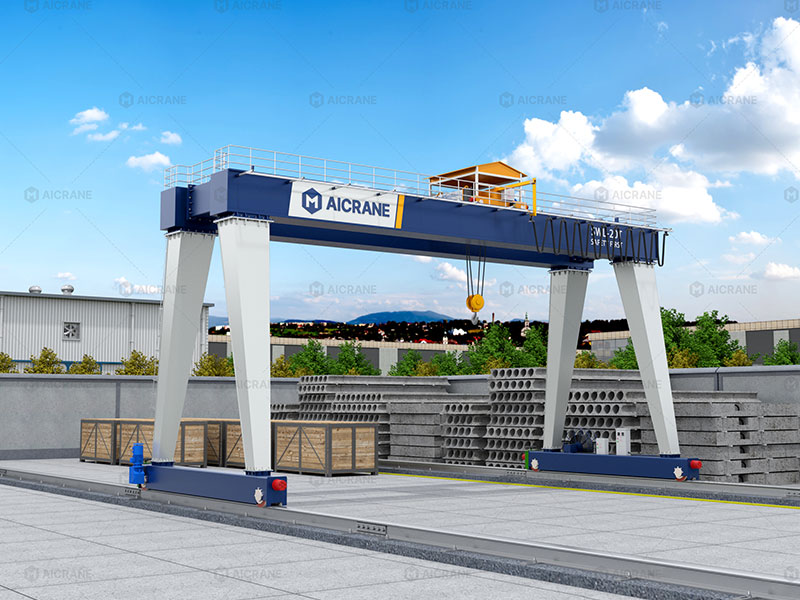
What Determines the Total Cost of a Gantry Crane?
The total project cost can generally be divided into three major categories:
- Equipment cost
- Installation and commissioning cost
- Maintenance and operating cost
Depending on the project, additional expenses such as civil engineering, transportation, and operator training may also be included. Evaluating all of these costs together provides a much clearer picture of your total investment.
Equipment Cost Breakdown
The equipment itself usually represents the largest portion of the project budget. However, even gantry cranes with the same lifting capacity can have substantially different prices depending on their specifications, working conditions, and level of customization.
Crane Structure
The steel structure forms the backbone of the gantry crane and typically includes:
- Main girders
- Support legs
- End beams
- Cross bracing
- Maintenance platforms and walkways
The amount of structural steel required depends on several factors, including lifting capacity, span, lifting height, duty classification, wind load, and applicable design standards.
For example, a 50 ton gantry crane with a 20-meter span requires significantly less steel than a 50-ton crane designed with a 40-meter span. As span increases, structural reinforcement becomes more complex, directly increasing manufacturing costs.
Hoisting System
The hoisting system performs the actual lifting operation and typically consists of:
- Electric hoist or winch
- Wire rope
- Drum
- Hook block
- Gearbox
- Brake
- Motor
Higher-performance hoisting systems offer smoother lifting, greater positioning accuracy, higher lifting speeds, and longer service life. Heavy-duty industrial applications often require premium hoisting components capable of continuous operation.
Travel Mechanism
The travel mechanism enables the crane to move along its rails or wheels and generally includes:
- Travel motors
- Wheel assemblies
- Gear reducers
- Bearings
- Drive shafts
Optional features such as variable frequency drives (VFDs), anti-skew systems, and synchronized travel control improve operational precision but also increase equipment costs.
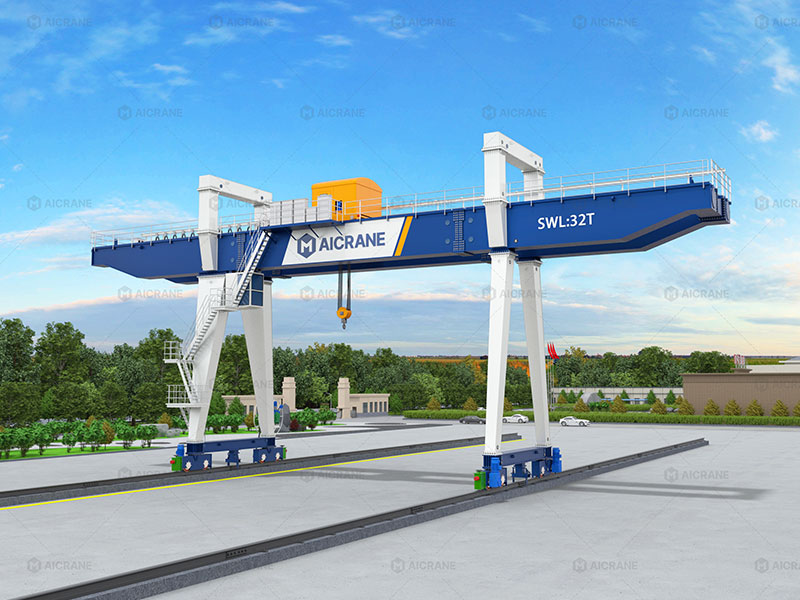
Electrical Control System
Modern electric gantry cranes incorporate sophisticated electrical systems designed to improve efficiency, safety, and ease of operation.
Common components include:
- PLC control system
- Frequency converters
- Remote control
- Operator cabin
- Touchscreen interface
- Intelligent monitoring system
Advanced automation features typically require a higher initial investment but can significantly improve productivity over the crane’s service life.
Safety Devices
Industrial gantry cranes are equipped with numerous safety features designed to protect both personnel and equipment.
Typical safety devices include:
- Overload protection
- Emergency stop buttons
- Upper and lower lifting limit switches
- Travel limit switches
- Rail clamps
- Wind speed alarm
- Anti-collision system
- Buffers
Although these systems increase equipment costs, they help reduce accident risks, equipment damage, and production downtime.
Key Factors That Influence Equipment Pricing
Several technical specifications have the greatest impact on equipment pricing.
Lifting Capacity
Lifting capacity is one of the most important pricing factors.
Common capacities include:
- 5 ton
- 10 ton
- 20 ton
- 30 ton
- 50 ton
- 100 ton
- 200 ton and above
As lifting capacity increases, the crane requires larger structural components, more powerful motors, heavier-duty gearboxes, larger wire ropes, and stronger wheel assemblies.
Span
The span refers to the distance between the crane legs.
Longer spans require:
- More structural steel
- Greater girder strength
- Higher manufacturing precision
- Increased transportation complexity
Even a relatively small increase in span can noticeably affect the final quotation.
Lifting Height
Higher lifting heights require:
- Longer wire ropes
- Larger drums
- Stronger supporting structures
- More powerful motors
As lifting height increases, both manufacturing complexity and overall equipment costs also rise.
Duty Classification
Duty classification indicates how frequently and intensively the crane will operate. Heavy duty gantry cranes designed for continuous industrial use require:
- Larger motors
- Stronger gearboxes
- Higher-quality bearings
- More durable electrical systems
Although these cranes cost more initially, they generally offer longer service life and lower maintenance costs under demanding operating conditions.
Customization
Many industrial projects require customized crane configurations.
Typical customization options include:
- Non-standard span
- Special lifting height
- Cantilever design
- Dual-hoist configuration
- Explosion-proof components
- Marine-grade anti-corrosion coating
- Automated positioning systems
- Special operating environments
Customization requires additional engineering, manufacturing, and testing, resulting in higher equipment costs.
Installation Cost Breakdown
Installation costs vary considerably depending on crane size, project location, and site conditions. Proper installation is essential for ensuring long-term safety and reliable operation.
Foundation Preparation
Some gantry cranes require specially designed foundations that may include:
- Reinforced concrete foundations
- Embedded anchor bolts
- Ground leveling
- Rail beam construction
Poor foundation quality can increase installation time and negatively affect crane performance throughout its service life.
Runway Rails
Rail-mounted gantry cranes require precisely installed runway rails.
Installation generally involves:
- Rail procurement
- Alignment
- Welding or fastening
- Precision leveling
Accurate rail installation minimizes wheel wear and ensures smooth crane travel.
Crane Assembly
Assembly typically includes:
- Installing main girders
- Connecting support legs
- Mounting wheel assemblies
- Installing the hoisting system
- Electrical wiring
- Mechanical adjustment
Large cranes may require mobile cranes or other heavy lifting equipment during assembly.
Commissioning
After installation, the crane must undergo commissioning procedures, including:
- No-load testing
- Rated load testing
- Brake adjustment
- Travel synchronization
- Electrical inspection
- Safety system verification
- Operator training
Professional commissioning ensures the crane performs safely before entering normal operation.
Transportation
Transportation expenses depend on:
- Crane dimensions
- Shipping distance
- International freight
- Inland transportation
- Customs clearance
- Port handling charges
Oversized crane components often require specialized transportation methods, which can significantly increase logistics costs.
Maintenance Cost Breakdown
Routine maintenance is essential for extending equipment life and minimizing unexpected downtime. Compared with emergency repairs, preventive maintenance is usually much more cost-effective.
Regular Inspection
Routine inspections typically include checking:
- Wire ropes
- Hooks
- Wheels
- Bearings
- Motors
- Gearboxes
- Brakes
- Electrical connections
Early detection of wear allows maintenance teams to replace components before failures occur.
Lubrication
Proper lubrication reduces friction and extends component life.
Components requiring regular lubrication include:
- Bearings
- Gearboxes
- Wheels
- Wire ropes
- Pulleys
Following the manufacturer’s lubrication schedule helps improve reliability and reduce repair costs.
Spare Parts Replacement
Normal wear parts include:
- Brake linings
- Wire ropes
- Wheels
- Bearings
- Limit switches
- Contactors
- Couplings
Using high-quality replacement parts helps maintain safety, performance, and long-term reliability.
Electrical Maintenance
Periodic electrical maintenance typically includes:
- Inspecting wiring
- Cleaning electrical cabinets
- Checking insulation resistance
- Testing frequency inverters
- Diagnosing PLC systems
Regular inspections reduce the risk of unexpected shutdowns caused by electrical faults.
Structural Inspection
Heavy-duty gantry cranes should undergo periodic structural inspections to identify:
- Fatigue cracks
- Corrosion
- Weld defects
- Loose bolts
- Paint deterioration
Addressing structural issues early helps extend the crane’s service life and maintain operational safety.
Hidden Costs Buyers Often Overlook
The purchase quotation may not include every expense associated with the project. Buyers should also budget for several additional costs.
Civil Engineering Work
Depending on the installation site, additional civil work may include:
- Foundation construction
- Rail beam installation
- Drainage improvements
- Ground reinforcement
Power Supply Upgrades
Some facilities require electrical upgrades before installing a new gantry crane, including:
- New transformers
- Distribution panels
- Additional power cables
- Control wiring
Operator Training
Proper operator training improves workplace safety, reduces equipment misuse, and minimizes long-term maintenance costs.
Inspection and Certification
Depending on local regulations, periodic inspections and certifications may be required throughout the crane’s service life.
Spare Parts Inventory
Keeping commonly used spare parts in stock helps minimize production downtime if replacement becomes necessary.
Production Downtime
Installation and commissioning may temporarily interrupt production. Factoring potential downtime into the project budget helps avoid unexpected operational costs.
How to Reduce Gantry Crane Ownership Costs
Purchasing the least expensive crane is not always the most economical decision. Instead, buyers should focus on reducing total lifecycle costs.
Choose the Right Specifications
Avoid purchasing a crane with excessive lifting capacity or unnecessary features. Selecting specifications that match actual operating requirements helps control both initial and long-term costs.
Invest in Energy-Efficient Components
Variable frequency drives, energy-efficient motors, and optimized electrical systems reduce electricity consumption over many years of operation.
Implement Preventive Maintenance
Routine inspections, lubrication, and scheduled component replacement help prevent major failures and extend equipment life.
Train Operators Properly
Well-trained operators reduce misuse, improve lifting efficiency, and minimize wear on mechanical components.
Work with an Experienced Manufacturer
An experienced manufacturer can provide engineering consultation, customized design, installation guidance, technical support, and responsive after-sales service. Reliable support throughout the equipment lifecycle often results in lower overall ownership costs.
Information Needed for an Accurate Cost Estimate
Providing complete project information allows manufacturers to prepare accurate quotations and recommend the most suitable crane configuration.
Typical information includes:
Technical Specifications
- Lifting capacity
- Span
- Lifting height
- Travel length
- Duty classification
Site Conditions
- Indoor or outdoor operation
- Ambient temperature
- Wind conditions
- Ground conditions
- Power supply
Operating Requirements
- Materials to be handled
- Daily operating hours
- Lifting frequency
- Required lifting speed
- Travel speed
Customization Requirements
- Cantilever design
- Operator cabin
- Remote control
- Explosion-proof configuration
- Anti-corrosion coating
- Automation functions
Providing complete project details helps avoid unnecessary costs while ensuring the crane fully meets operational requirements.
Frequently Asked Questions
Does the gantry crane price usually include installation?
Not always. Some manufacturers quote equipment only, while others provide turnkey solutions that include transportation, installation, commissioning, and operator training. Always confirm what is included in the quotation.
How much should I budget for annual maintenance?
Annual maintenance costs vary depending on crane size, operating hours, working environment, and maintenance practices. Preventive maintenance generally costs far less than major repairs caused by neglected equipment.
Is a customized gantry crane more expensive?
Yes. Customized cranes require additional engineering, manufacturing, and testing. However, a crane designed specifically for your application often delivers higher efficiency and better long-term value.
What has the greatest impact on gantry crane cost?
Lifting capacity, span, lifting height, duty classification, and customization requirements are typically the primary factors influencing overall equipment pricing.
Conclusion
The purchase price is only one part of the total investment in a gantry crane. Equipment costs, installation expenses, maintenance requirements, and hidden project costs all contribute to the total cost of ownership.
Rather than focusing solely on the lowest quotation, buyers should evaluate lifecycle costs, equipment quality, energy efficiency, maintenance requirements, and after-sales support. A properly specified gantry crane, professionally installed and maintained through a preventive maintenance program, can provide decades of reliable service while maximizing productivity and minimizing long-term operating costs. By understanding every cost component before making a purchase, businesses can make more informed investment decisions and achieve greater value from their lifting equipment.