When purchasing a rubber tyred gantry crane (RTG crane), many buyers face the same challenge: different suppliers provide very different quotations for what appears to be the same equipment.
One manufacturer may offer a much lower price, while another quotation is significantly higher. This price gap often creates confusion. Does the higher-priced supplier provide better quality? Is the lower-priced option a good opportunity to reduce investment costs? Or are there important differences hidden behind the quotations?
For container terminals, logistics yards, railway yards, and industrial storage facilities, choosing an RTG crane supplier should not be based on price alone. An RTG crane is a long-term investment that affects daily handling efficiency, maintenance costs, and operational reliability.
The right approach is to understand what is included in each quotation, why prices differ, and which supplier can provide the best overall value for your operation.
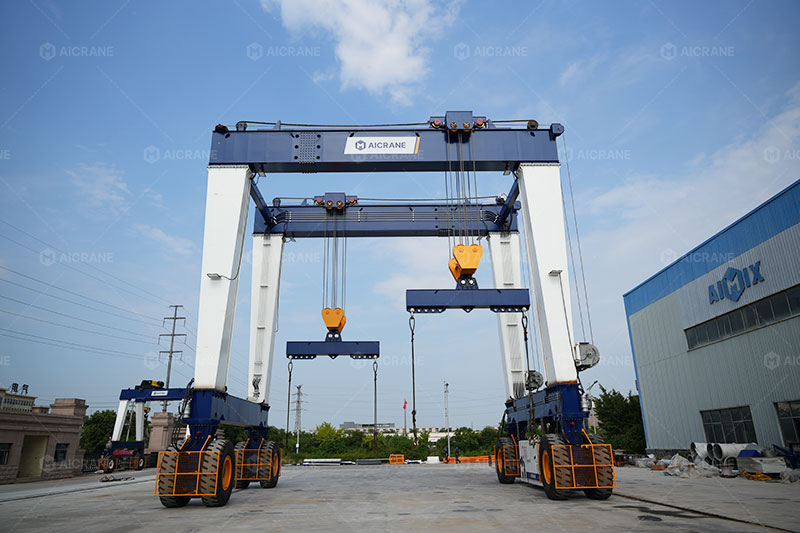
Start by Comparing the Same Technical Requirements
The first reason rubber tyred gantry crane prices differ is that buyers are often comparing quotations that are not actually based on the same requirements.
An RTG crane is not a standardized product with one fixed configuration. Its price depends heavily on technical specifications and operating conditions.
Before comparing suppliers, confirm whether all quotations are based on the same parameters, including:
- Lifting capacity
- Container stacking configuration
- Span between legs
- Lifting height
- Number of container rows
- Travel distance
- Working duty class
- Operating hours per day
- Power supply requirements
- Automation level
For example, two suppliers may quote a “40-ton RTG crane,” but one design may be suitable for occasional container handling while another is designed for intensive terminal operations with higher duty requirements.
The capacity number alone does not tell the complete story.
A reliable supplier should first understand your operating conditions instead of immediately providing a standard price.
Evaluate the Supplier’s Engineering Capability
A lower quotation may look attractive, but the quality of the engineering behind the equipment determines long-term performance.
RTG cranes operate under repeated heavy loads, frequent acceleration and braking, and outdoor environmental conditions. The supplier must have the engineering capability to design a crane that matches these challenges.
When evaluating gantry crane suppliers, consider:
Structural Design Experience
The steel structure is the foundation of RTG crane reliability.
Important factors include:
- Main beam design
- Leg structure strength
- Load distribution
- Fatigue resistance
- Wind load consideration
A supplier with experience in heavy-duty RTG projects should be able to explain how the structure is designed for continuous operation rather than only meeting the basic lifting capacity.
Electrical and Control System Knowledge
Modern RTG cranes rely heavily on electrical systems.
Compare suppliers based on their approach to:
- Motor selection
- Variable frequency drives
- PLC control systems
- Safety monitoring
- Energy management
- Remote operation capability
A cheaper quotation may use simpler components that reduce the initial price but increase maintenance requirements later.
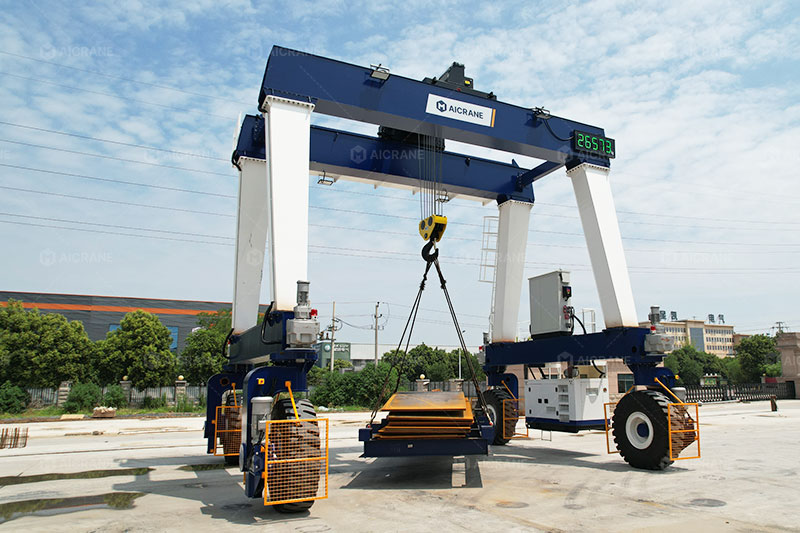
Check What Is Included in the Quotation
Price differences often come from different levels of supply scope.
A detailed comparison should include:
Crane Equipment
Confirm whether the quotation includes:
- Complete crane structure
- Hoisting mechanism
- Trolley system
- Travel mechanism
- Operator cabin
- Electrical system
- Safety devices
Installation and Commissioning
Some suppliers provide only equipment manufacturing, while others include:
- Installation guidance
- Commissioning support
- Load testing
- Operator training
If installation support is not included, the buyer may need to arrange additional technical resources, increasing the actual project cost.
Spare Parts Package
Check whether the supplier provides recommended spare parts.
Important spare parts may include:
- Electrical components
- Sensors
- Hydraulic parts
- Contactors
- Motors
- Wear components
A supplier offering a lower initial price but limited spare parts support may create higher downtime risks.
Consider Manufacturing Quality, Not Just the Final Price
The production process behind the RTG crane directly affects reliability.
When comparing suppliers, ask about their manufacturing and quality control procedures.
Important questions include:
- Where is the steel structure fabricated?
- How are welding quality and dimensions inspected?
- Are key components tested before delivery?
- Is full crane commissioning completed before shipment?
Quality control processes may include:
- Material inspection
- Welding inspection
- Non-destructive testing
- Electrical testing
- Mechanical adjustment
- Factory trial operation
A supplier with stronger manufacturing controls may have a higher quotation, but this often reduces problems during installation and operation.
Review Previous RTG Crane Projects
Past project experience is one of the most effective ways to evaluate an RTG crane supplier.
A manufacturer with successful RTG installations should be able to provide examples related to your application.
Look for experience with:
- Container terminals
- Inland container depots
- Railway yards
- Industrial logistics yards
- Heavy manufacturing facilities
When reviewing projects, pay attention to:
- Crane capacity
- Operating environment
- Years of service
- Customer feedback
- Similarity to your requirements
A supplier that has only produced small gantry cranes may not have the same technical experience as a manufacturer specializing in large gantry crane systems.
Compare After-Sales Support and Maintenance Capability
RTG cranes are critical production equipment. Even short periods of downtime can affect container flow and operating efficiency.
Therefore, after-sales service should be part of the supplier evaluation.
Consider:
Technical Support Response
Ask:
- How are technical problems handled after delivery?
- Is remote support available?
- Can engineers provide troubleshooting assistance?
Spare Parts Availability
A reliable supplier should have a clear spare parts supply process.
Important factors include:
- Availability of replacement parts
- Delivery time
- Long-term support capability
Training Services
Proper training helps operators use the equipment safely and efficiently.
Training may include:
- Crane operation
- Daily inspection
- Basic troubleshooting
- Safety procedures
A supplier that supports the equipment throughout its service life provides greater value than one focused only on the initial sale.
Understand the Long-Term Operating Cost
The cheapest RTG crane is not always the most economical choice.
The actual cost of ownership includes:
- Purchase price
- Energy consumption
- Maintenance frequency
- Spare parts cost
- Downtime losses
- Operator efficiency
For example, an RTG crane with a lower purchase price may use less efficient systems or require more frequent maintenance. Over 10–20 years of operation, these additional costs can exceed the initial savings.
When comparing suppliers, consider:
Initial investment + operating cost + maintenance cost = total ownership cost
This provides a more realistic evaluation.
Be Careful With Unrealistically Low Quotations
A significantly lower price should always be investigated carefully.
Possible reasons include:
- Different technical specifications
- Reduced safety features
- Lower-grade components
- Limited service support
- Excluded installation costs
- Lack of customization
This does not mean the lowest-priced supplier is always unreliable. Some manufacturers have cost advantages due to production efficiency or supply chain management.
The key is understanding why the price is lower.
A professional supplier should be able to clearly explain the quotation structure.
Choose a Supplier That Understands Your Operation
The best RTG crane supplier is not necessarily the one offering the lowest price or the highest price.
It is the supplier that can provide the right solution for your actual operating needs.
A reliable supplier should:
- Ask detailed questions about your yard operation
- Recommend suitable configurations
- Explain technical differences clearly
- Provide transparent quotations
- Support installation and operation after delivery
For a container terminal or industrial yard, an RTG mobile gantry crane is not simply a piece of lifting equipment. It is part of the entire material handling system.
Conclusion
When RTG crane prices vary between suppliers, the difference usually comes from more than the equipment itself. Technical design, component selection, manufacturing quality, service capability, and project experience all influence the final quotation.
Instead of selecting a supplier based only on the lowest price, buyers should compare the complete value offered by each manufacturer.
A well-designed RTG crane from a reliable supplier can provide years of stable operation, lower maintenance costs, and better productivity. By carefully evaluating technical specifications, supply scope, manufacturing standards, previous projects, and after-sales support, companies can choose an RTG crane supplier that delivers long-term value rather than only short-term savings.