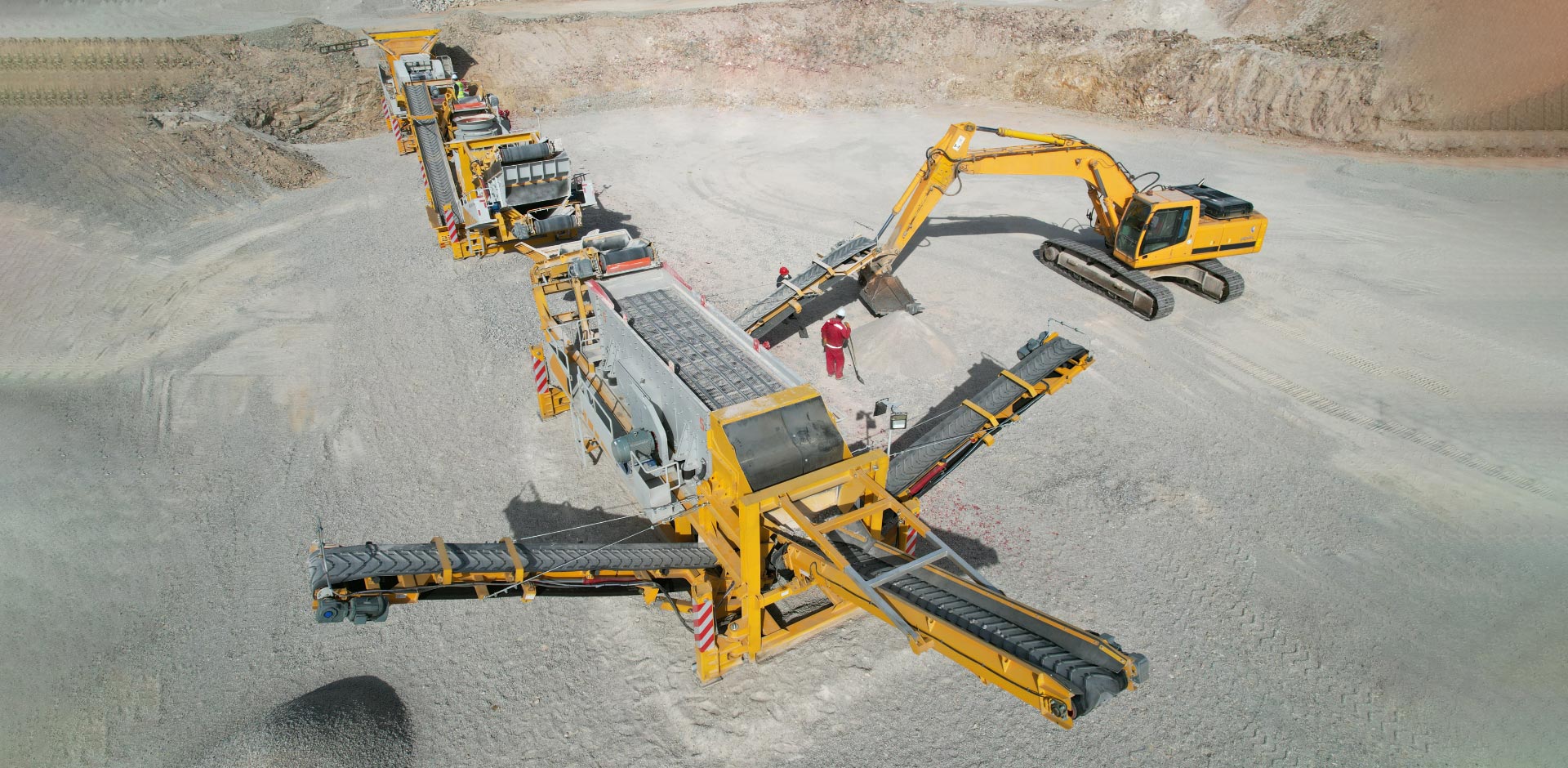
In today’s rapidly expanding construction and mining sectors, the demand for crushed stone and aggregates continues to rise. Materials like granite, limestone, and basalt are widely used in infrastructure projects, road construction, and commercial developments. As a result, businesses and contractors increasingly invest in stone crusher for sale to meet production requirements. However, alongside the need for high productivity, environmental responsibility has become a critical concern. Modern stone crusher plants are designed to optimize crushing efficiency while reducing dust, noise, and energy consumption. By integrating specialized machines such as a granite stone crusher, lime stone crusher, and basalt crusher, operators can achieve both operational efficiency and eco-friendly production.
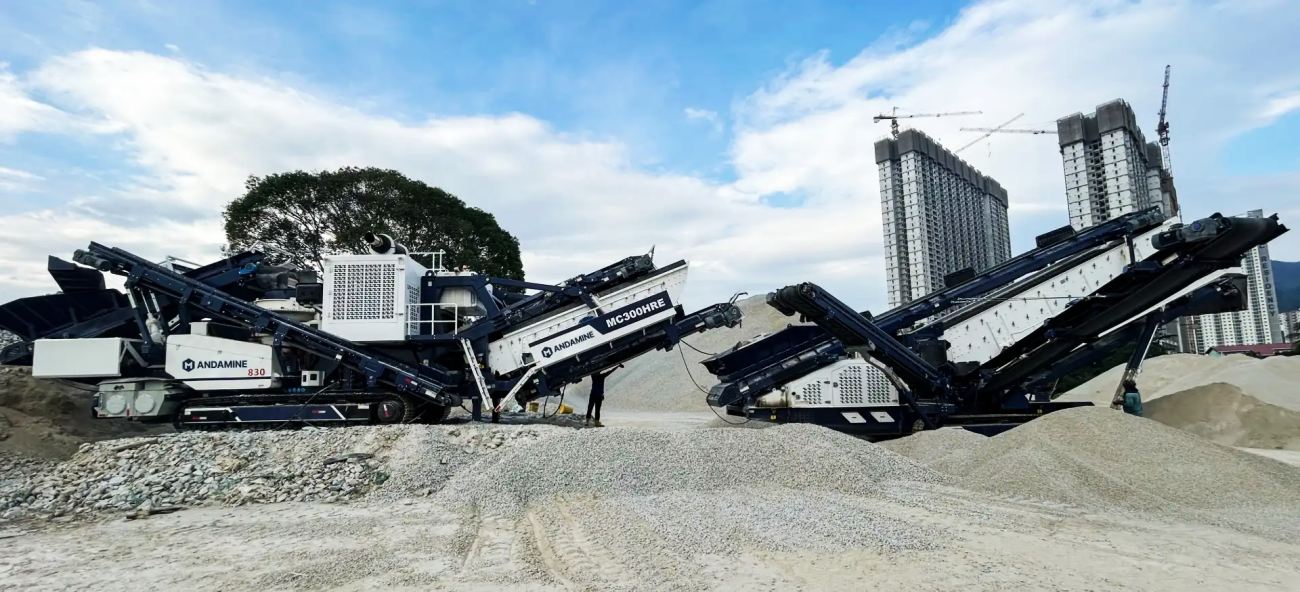
1. The Need for Balancing Productivity and Sustainability
Historically, crushing operations focused primarily on output and throughput. While production targets were met, environmental impacts such as dust emissions, noise pollution, and excessive energy consumption were often overlooked. Today, governments and regulatory bodies impose strict environmental standards, making it essential for businesses to adopt sustainable practices.
For businesses investing in a stone crusher for sale, the challenge is achieving high productivity without compromising environmental responsibility. Modern crushing plants combine advanced technology, intelligent control systems, and efficient machinery to address both concerns.
2. Choosing the Right Crusher for Your Material
The choice of crusher depends heavily on the type of material being processed. Different rock types require tailored solutions to achieve optimal particle shape, size, and production efficiency.
a. Granite Stone Crusher
Granite is a hard, dense rock commonly used for road construction, bridges, and buildings. Crushing granite requires durable, high-performance machines such as jaw crushers or cone crushers designed for hard rock. A granite stone crusher ensures uniform particle size, reducing wear on downstream equipment while maintaining high productivity.
b. Lime Stone Crusher
Limestone is softer than granite but widely used in cement production, agriculture, and construction. A lime stone crusher efficiently processes limestone while minimizing dust emissions, thanks to integrated dust collection and spray systems. Modern limestone crushers also allow operators to adjust particle size according to project requirements.
c. Basalt Crusher
Basalt is a volcanic rock with high density and compressive strength, commonly used in asphalt mixes and heavy-duty construction. A basalt crusher with advanced impact or cone crushing mechanisms ensures high reduction ratios while producing cubical aggregates suitable for concrete and road projects. High-capacity basalt crushers balance throughput with energy efficiency, reducing operational costs.
3. Environmental Features in Modern Stone Crushers
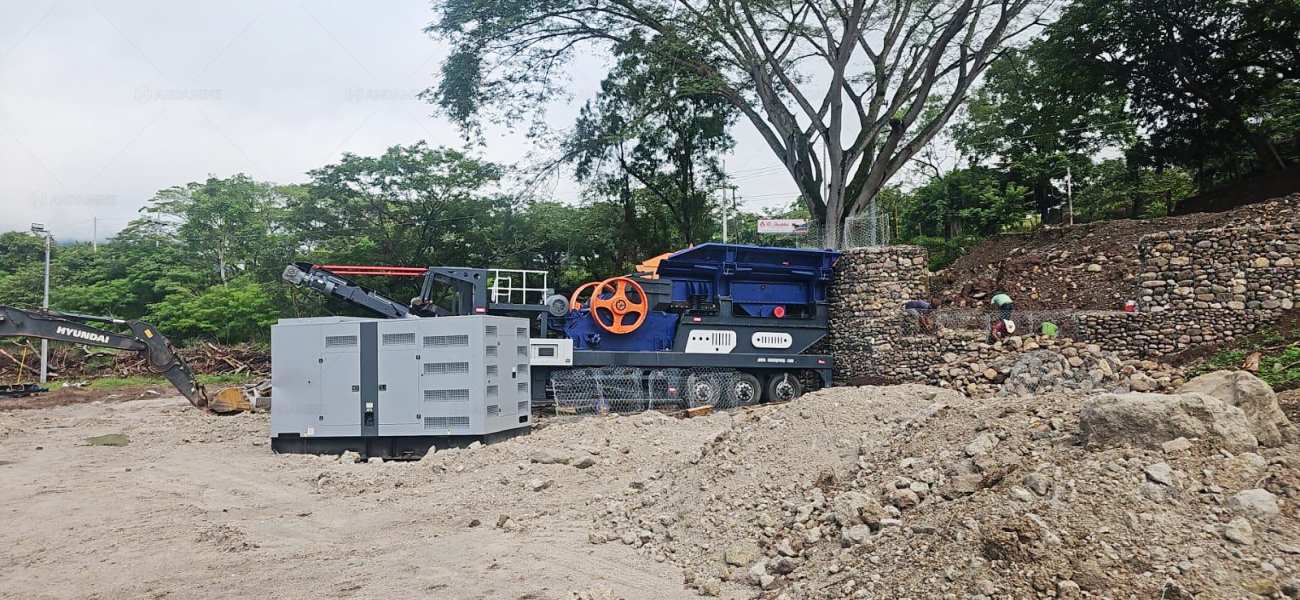
Manufacturers of stone crusher for sale increasingly incorporate eco-friendly features into their designs, helping operators meet sustainability goals. Key features include:
- Dust Suppression Systems: Water sprays, enclosures, and filters reduce airborne dust during crushing.
- Noise Reduction Technology: Enclosed crushing chambers and sound-dampening materials lower noise pollution at site locations.
- Energy-Efficient Motors: High-efficiency motors and optimized rotor designs reduce electricity consumption.
- Recycling and Reuse Capabilities: Crushing plant layouts enable the reuse of by-products and construction waste as aggregates, minimizing landfill impact.
By combining these features with specialized crushers like a granite stone crusher, lime stone crusher, and basalt crusher, operators can achieve sustainable production without sacrificing performance.
4. Operational Practices for Sustainable Crushing
Even with environmentally friendly equipment, operational practices play a significant role in balancing productivity and sustainability:
- Optimized Feed Size: Feeding crushers with the correct size reduces wear and tear, energy consumption, and dust generation.
- Regular Maintenance: Timely inspection and replacement of wear parts maintain efficiency and reduce environmental hazards.
- Water and Energy Management: Using water efficiently for dust suppression and monitoring energy usage lowers environmental impact.
- Training and Awareness: Skilled operators trained in sustainable practices improve both productivity and compliance with regulations.
These measures enhance the life of stone crusher plants while ensuring that operations remain environmentally responsible.
5. Regulatory Compliance and Corporate Responsibility
Many countries have implemented stringent environmental regulations for crushing operations, covering emissions, noise levels, and dust control. Complying with these rules is not only a legal requirement but also a corporate responsibility.
Purchasing a stone crusher for sale that meets international standards ensures compliance. Machines such as granite stone crusher, lime stone crusher, and basalt crusher often come with features designed to meet or exceed these standards, giving operators confidence in both regulatory compliance and sustainable production.
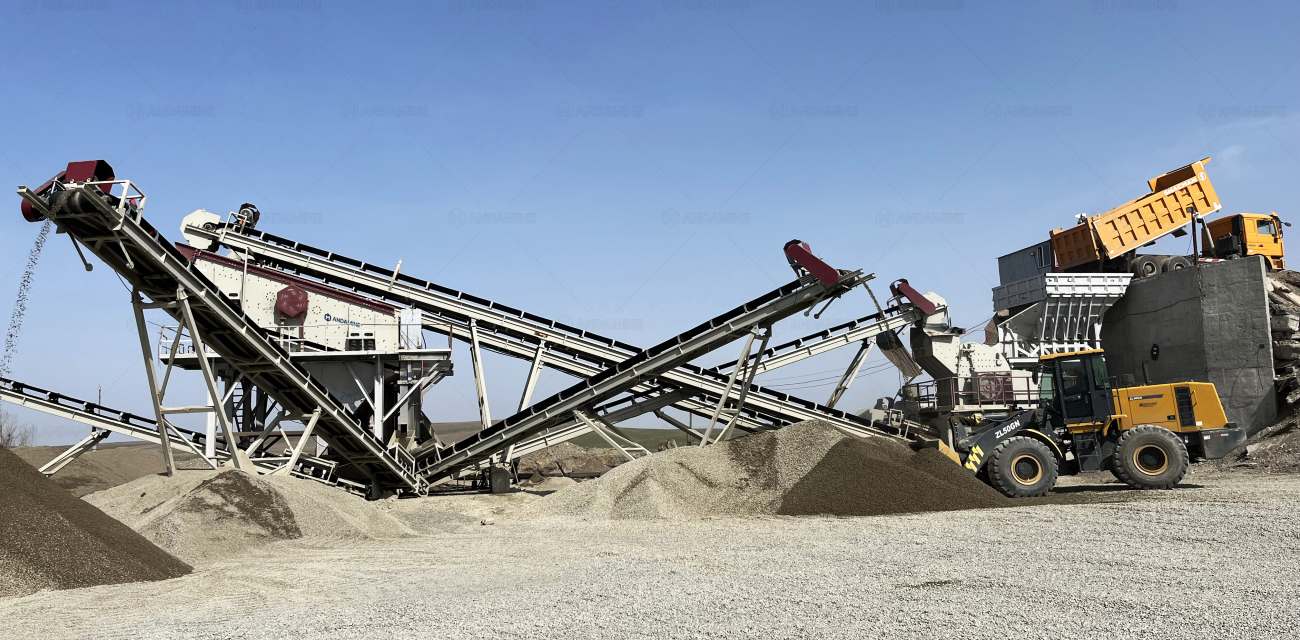
6. Future Trends in Sustainable Stone Crushing
The stone crushing industry is increasingly embracing technology to further balance productivity and environmental responsibility:
- Automation and IoT Monitoring: Smart sensors monitor wear, throughput, and energy usage in real time, optimizing efficiency.
- Modular and Mobile Crushers: Mobile crushing solutions reduce transportation needs and associated emissions.
- Renewable Energy Integration: Solar and hybrid power systems are being tested in crushing operations to reduce reliance on fossil fuels.
- Material-Specific Crushers: Specialized machines like granite stone crusher, lime stone crusher, and basalt crusher continue evolving to improve energy efficiency and reduce environmental impact.
These innovations ensure that crushing operations remain both profitable and sustainable.
Conclusion
Balancing productivity and environmental responsibility in stone crusher for sale operations is no longer optional — it is essential. By selecting the right equipment, such as a granite stone crusher, lime stone crusher, or basalt crusher, and implementing modern environmental features, operators can achieve high throughput, consistent product quality, and eco-friendly production.
Sustainable crushing practices not only ensure regulatory compliance but also improve corporate reputation, reduce operating costs, and contribute to long-term profitability. As construction and mining activities continue to expand globally, investing in advanced, environmentally responsible stone crusher plants is a strategic decision that benefits both business and the environment.