The purchase price of a mobile concrete mixer is the most visible cost. It is also the least important. The true cost of ownership reveals itself over months and years of operation. In Nigeria, where diesel prices fluctuate, spare parts supply chains are fragmented, and skilled labour is scarce, the operating costs often exceed the initial investment within three years. Contractors who focus only on the purchase price make a critical error. They buy a machine they can afford upfront but cannot afford to run. This article provides a detailed breakdown of the three major operating costs: fuel, parts, and labour. It also offers specific strategies for reducing each cost. The objective is to equip Nigerian contractors with the data needed to calculate total cost of ownership accurately and to make informed procurement decisions.
Fuel Costs: The Largest Recurring Expense
Consumption Rates and Diesel Price Volatility
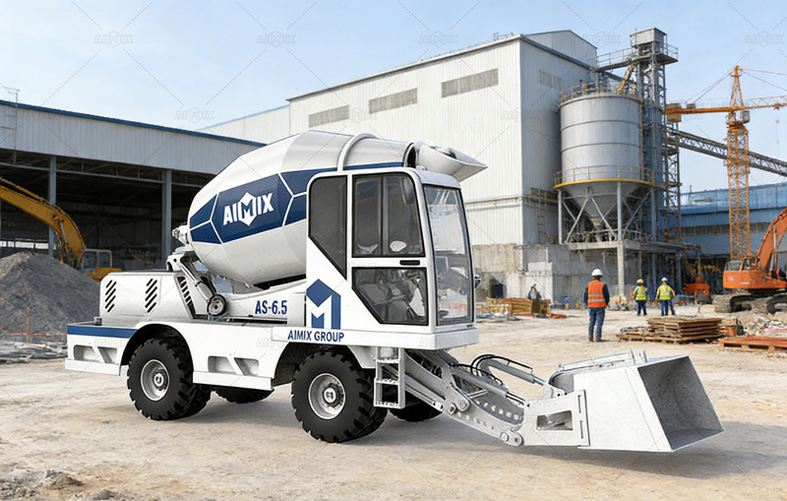
A mobile concrete mixer in Nigeria typically consumes between 6 and 15 litres of diesel per hour, depending on machine size, engine efficiency, and operating conditions. A 1.5 cubic meter self loading cement mixer with a Chinese domestic engine may consume 10 to 12 litres per hour. A similar machine with a Kubota or Cummins engine may consume 7 to 9 litres per hour. The difference of 3 litres per hour is significant. At 1,500 operating hours per year, the less efficient engine consumes 4,500 additional litres annually. At current Nigerian diesel prices (approximately ₦850 to ₦1,000 per litre), that is an additional ₦3.8 million to ₦4.5 million per year. Over five years, the difference exceeds ₦20 million. This calculation demonstrates that paying a premium for a fuel-efficient engine is not an expense. It is an investment with a rapid payback period.
Strategies for Reducing Fuel Consumption
Fuel consumption can be reduced through operational practices. The most effective strategy is reducing idle time. Operators often leave the engine running during breaks, during concrete placement, and while waiting for materials. A mobile mixer that idles for two hours per day consumes approximately 3,000 litres of diesel annually that produces no work. Training operators to shut off the engine during extended idle periods is free and immediately effective. The second strategy is maintaining proper tyre pressure. Under-inflated tyres increase rolling resistance and increase fuel consumption by 5 to 10 percent. A weekly pressure check takes ten minutes. The third strategy is using the correct engine oil viscosity. Heavy oil increases internal friction. The manufacturer’s specification should be followed precisely. These three strategies combined can reduce fuel consumption by 15 to 20 percent without any capital investment.
Spare Parts Costs: Availability and Quality
Critical Wear Parts and Their Lifespan
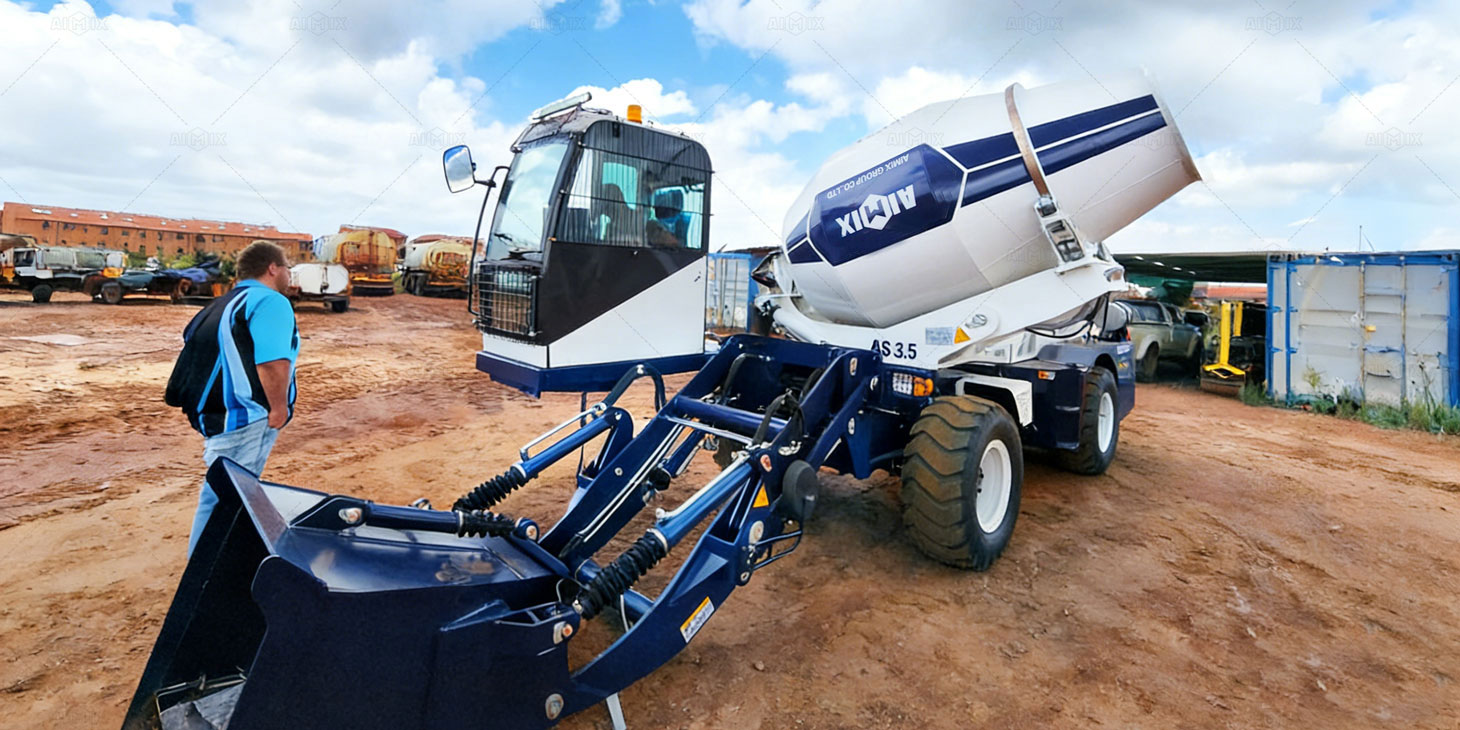
Mobile concrete mixers contain components that wear out predictably. Mixing blades and drum liners are the most frequent replacements. A set of blades may last 500 to 1,500 cubic meters of concrete, depending on aggregate abrasiveness. A set of drum liners may last twice as long. The cost of a complete blade and liner set for a 1.5 cubic meter mini concrete mixer for sale ranges from ₦300,000 to ₦800,000 depending on the brand and material quality. Hydraulic hoses fail every 1,000 to 2,000 hours. A full set of hoses costs ₦150,000 to ₦400,000. Tyres require replacement every 1,500 to 2,500 hours, depending on site conditions. A set of four tyres costs ₦200,000 to ₦500,000. The contractor who does not budget for these replacements will face unexpected expenses that disrupt cash flow and may force the machine to sit idle while funds are raised.
Sourcing Parts and the Risk of Counterfeits
The Nigerian spare parts market contains genuine components, aftermarket alternatives, and counterfeit products. Genuine parts from the original manufacturer offer guaranteed fit and lifespan. They are also the most expensive and may require ordering from overseas, with lead times of four to eight weeks. Aftermarket parts from reputable suppliers offer a balance of cost and availability. Counterfeit parts should be avoided entirely. A counterfeit hydraulic hose may fail after 100 hours, causing downtime and potential damage to the hydraulic pump. The buyer can reduce parts costs by establishing a relationship with a trusted local supplier. Bulk purchasing of common wear parts—filters, belts, blades—reduces per-unit cost and ensures availability when needed. The prudent contractor maintains a small inventory of critical parts. The carrying cost of this inventory is lower than the cost of emergency shipping or extended downtime.
Labour Costs: Operators and Mechanics
Operator Skill and Its Impact on All Other Costs
The operator is the single most influential factor in total cost of ownership. A skilled operator reduces fuel consumption through efficient loading cycles and reduced idle time. They extend wear part life by avoiding overloading and by cleaning the drum after each pour. They identify developing problems—a leaking hydraulic seal, a loose belt, an unusual vibration—before those problems cause catastrophic failures. The difference in operating cost between a skilled operator and an untrained operator can be 20 to 30 percent. The monthly wage difference between a novice and an experienced operator is typically ₦50,000 to ₦100,000. This is a trivial amount compared to the fuel and parts savings a skilled operator generates. Contractors who pay below-market wages for operators are not saving money. They are incurring higher costs elsewhere.
Mechanic Availability and Preventive Maintenance
Mobile concrete mixers require regular maintenance. Oil changes every 250 hours. Hydraulic fluid changes every 1,000 hours. Greasing of pins and bushings daily. Belt tension checks weekly. A dedicated mechanic or a well-trained operator can perform these tasks. The cost of this labour is typically ₦100,000 to ₦300,000 per month, depending on whether the mechanic is shared across multiple machines. The alternative is reactive maintenance—waiting for a failure and then hiring a specialist to repair it. Reactive maintenance costs three to five times more than preventive maintenance. It also causes unpredictable downtime. A contractor who cannot perform basic preventive maintenance on site is a contractor who will experience frequent, expensive breakdowns. The solution is to invest in training. A three-day training course for an operator costs ₦150,000 to ₦300,000. The return on that investment is realized within months.
Total Cost of Ownership Calculation
A Five-Year Model for a 1.5m³ Mixer
A concrete example clarifies the numbers. A 1.5 cubic meter self-loading mixer purchased for ₦25 million incurs the following five-year costs. Fuel: 1,500 hours per year at 9 litres per hour at ₦900 per litre equals ₦12.15 million annually, or ₦60.75 million over five years. Wear parts: blades and liners replaced every 1,000 hours at ₦500,000 per set equals ₦3.75 million over five years. Tyres: one set replaced every 2,000 hours at ₦300,000 per set equals ₦1.125 million. Hydraulic hoses: replaced once at ₦250,000. Labour: operator at ₦200,000 per month equals ₦12 million over five years. Maintenance labour: ₦100,000 per month equals ₦6 million. Total operating cost: ₦83.9 million. Added to the purchase price of ₦25 million, the five-year total cost of ownership is ₦108.9 million. The purchase concrete mixer price in Nigeria represents only 23 percent of the total. Fuel alone represents 56 percent. This calculation demonstrates why focusing on purchase price is a mistake.
Strategies for Reducing Total Cost
Three strategies reduce total cost of ownership substantially. First, purchase a machine with a fuel-efficient engine, even if it costs ₦5 million more. The fuel savings over five years exceed ₦15 million. Second, invest in operator training. A 10 percent reduction in fuel consumption saves ₦6 million over five years. A 20 percent reduction saves ₦12 million. Third, establish a preventive maintenance schedule. Reducing major breakdowns by half saves ₦2 million to ₦5 million in repair costs and lost production. Contractors who implement these strategies reduce their five-year total cost of ownership by 20 to 30 percent. They operate profitably while competitors struggle. The true cost of owning a mobile concrete mixer in Nigeria is high. It can be managed. It cannot be ignored.