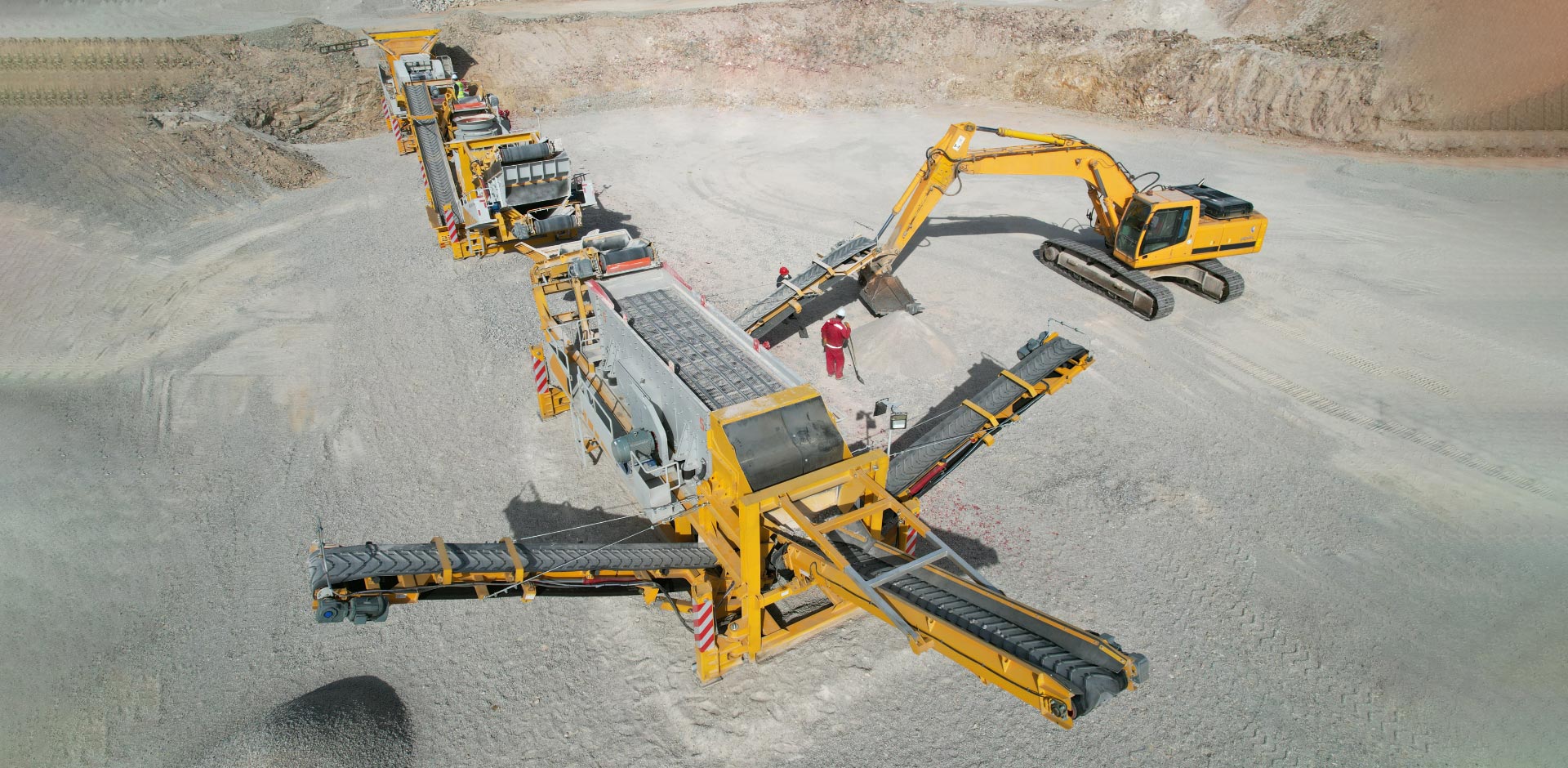
Product yield is a key measure of mobile crushing plant profitability because not every ton of processed rock becomes a saleable product. Excessive fines, poorly graded aggregates, and material outside customer specifications can reduce revenue even when the plant achieves its target throughput. Improving yield requires more than adjusting crusher settings. Operators need to match crushing stages to rock properties, control feed size, optimize screening, and monitor the distribution of finished products. By reducing unnecessary size reduction and recovering usable material, a mobile crushing plant operation can increase saleable output without automatically increasing raw material consumption.
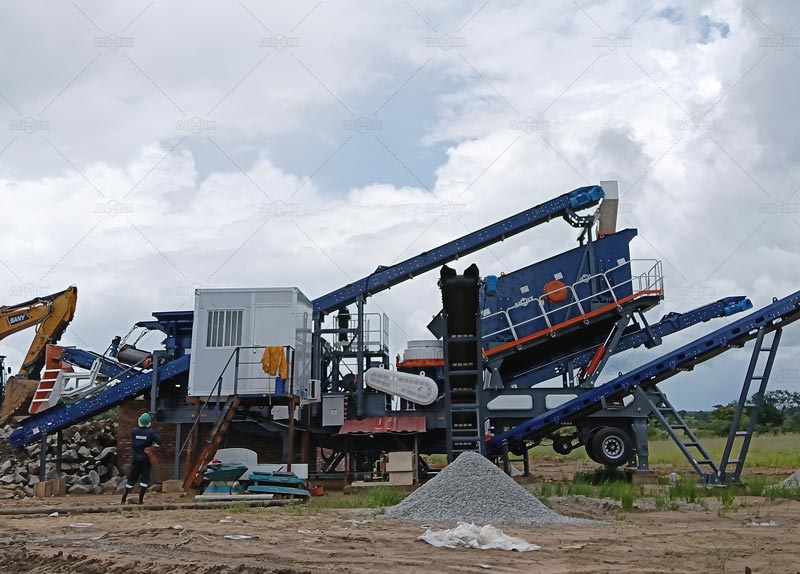
Understand Product Yield in Mobile Crushing Operations
Product yield describes the proportion of processed feed that becomes usable, specification-compliant products. It differs from total crusher throughput: a plant may process 200 tons per hour but produce a much smaller quantity of aggregates that meet customer requirements.
A basic calculation is:
Saleable product yield (%) = Total saleable product mass ÷ Total feed mass × 100
For example, if a plant processes 1,000 tons of rock and produces 850 tons of saleable aggregate, its saleable yield is 85%. The remaining 150 tons may consist of excess fines, contaminated material, or products without an available market. Some fines may still be saleable as manufactured sand or mineral filler, so they should not automatically be classified as waste.
Yield targets depend on the raw material, required product sizes, crushing circuit, and local demand. A plant producing several aggregate grades for concrete or road construction may achieve a different yield from one making a single tightly specified product. The objective is to maximize the value of usable output, not simply to minimize the percentage of small particles.
Identify the Main Causes of Excessive Fines
Excessive fines can develop at several stages of the crushing process. Identifying where they originate is essential before changing equipment settings.
Excessive Size Reduction
When rock remains in a crusher longer than necessary or passes through an overly aggressive crushing stage, more material may be reduced below the target size. Tight crusher settings can increase fines generation, particularly when processing brittle or fractured rock. Operators should balance the reduction ratio against the required product gradation rather than pursuing the smallest possible discharge size.
Unsuitable Feed Gradation
Feed containing a large proportion of naturally small particles can increase unnecessary crushing and reduce effective capacity. If suitable undersized material enters the crusher instead of bypassing it, energy is spent processing particles that may already meet the final specification. A properly configured feeder and pre-screen can separate this material before it reaches the primary crusher.
Changes in Rock Properties
Rock hardness, abrasiveness, fracture patterns, and weathering affect how material breaks. Soft or highly fractured feed may generate more fines than competent rock under the same settings. When the raw material changes, operators should reassess the feed rate, crusher configuration, and screening performance instead of relying on one fixed operating setup.
Match the Crushing Plant to the Material
The choice of crusher influences both the size distribution and shape of the final aggregate. Selecting equipment based on feed characteristics and product requirements helps prevent unnecessary crushing and improves the proportion of material that can be sold.
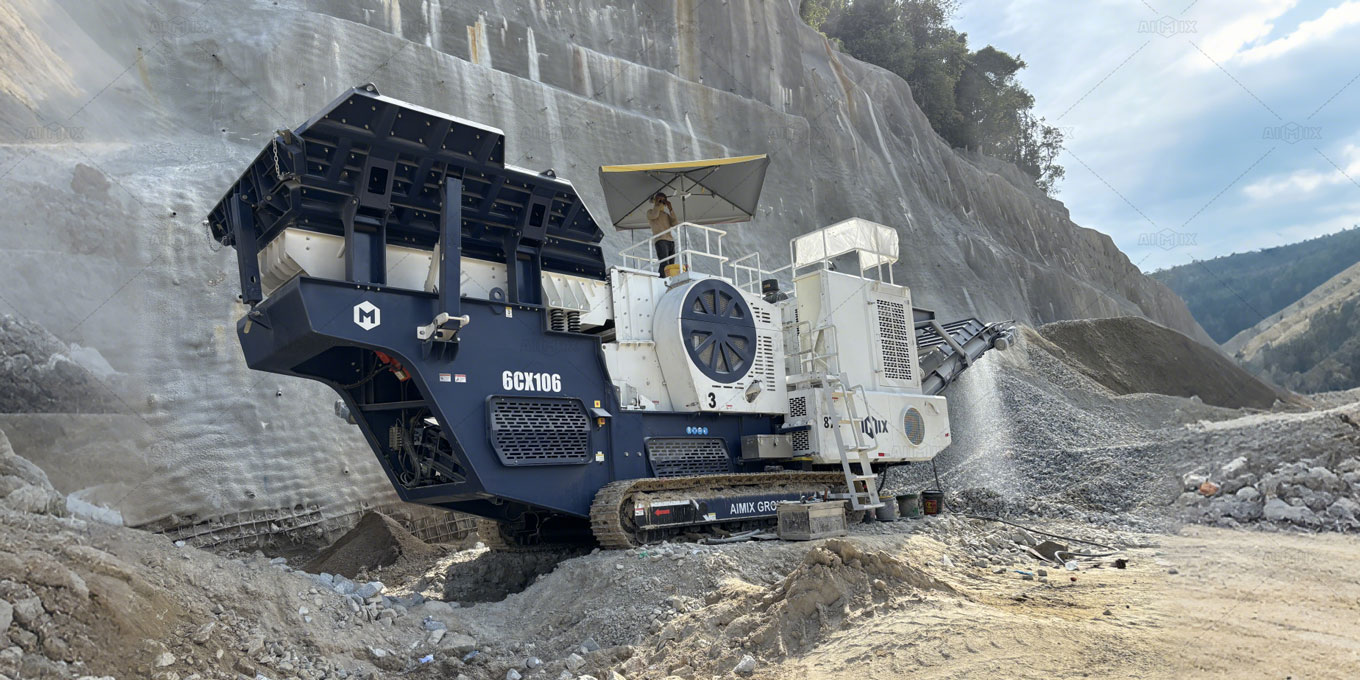
Mobile Jaw Crushing Plant for Primary Reduction
A mobile jaw crushing plant is commonly used for primary crushing of large rocks, quarry materials, and construction debris. Its main role is to reduce feed to a manageable size for downstream processing. Feeding oversized or unevenly distributed material can cause blockages and unstable output, while excessive fines entering the jaw crusher may reduce the efficiency of the overall circuit.
Operators can improve performance by controlling the feed size, maintaining an even feed distribution, and using a suitable pre-screen where material conditions justify it. The jaw crusher’s discharge setting should be selected according to downstream capacity and the required final products, not adjusted in isolation.
Mobile Cone Crushing Plant for Hard Rock
A mobile cone crushing plant is often suitable for secondary or tertiary crushing of hard, abrasive materials such as granite and basalt. It can produce consistently sized aggregates when the feed gradation, chamber configuration, and operating settings are properly matched.
Excessive fines may occur when the crusher is operated with unsuitable settings or receives inconsistent feed. Conversely, an overly open setting can produce too much oversize material, increasing recirculation in a closed circuit. Operators should monitor crusher load, discharge gradation, and circulating load together to maintain a practical balance between product quality and throughput.
Mobile Impact Crushing Plant for Shape and Reduction
A mobile impact crushing plant can be useful when particle shape and reduction performance are important, including selected limestone applications and concrete recycling. Impact crushing can produce well-shaped particles, but the amount of fines depends on material characteristics, rotor speed, impact conditions, and the feed size distribution.
Highly abrasive rock may also increase wear costs in impact applications. Before selecting this configuration, operators should evaluate rock abrasiveness, required product sizes, expected fines generation, and wear-part consumption. The most suitable plant is the one that produces the required saleable grades at an acceptable operating cost.
Optimize Screening to Recover Saleable Material
Screening separates crushed material into specified size ranges and determines how much product meets each customer requirement. Poor screening can reduce saleable yield even when the crusher performs correctly.
Screen performance depends on deck area, aperture size, material bed depth, moisture, particle shape, and feed distribution. Excessive feed loading can prevent particles from reaching the screen surface, allowing oversized material to contaminate smaller products. Wet or sticky material may block apertures and cause undersized particles to remain in the oversize stream.
To improve separation, operators should distribute feed evenly, keep the screen within its designed capacity, and inspect for blinded or damaged panels. Where the material is consistently wet, washing or other suitable screening arrangements may be needed. Screen aperture sizes should reflect the required product specifications and the natural size distribution of the feed.
Closed-circuit operation can return oversize material for further crushing, helping maintain the upper size limit of the final product. However, excessive recirculation increases the load on crushers, conveyors, and screens. Monitoring the return flow is important because a rising circulating load may indicate an unsuitable crusher setting, worn components, poor screen separation, or a change in feed characteristics.
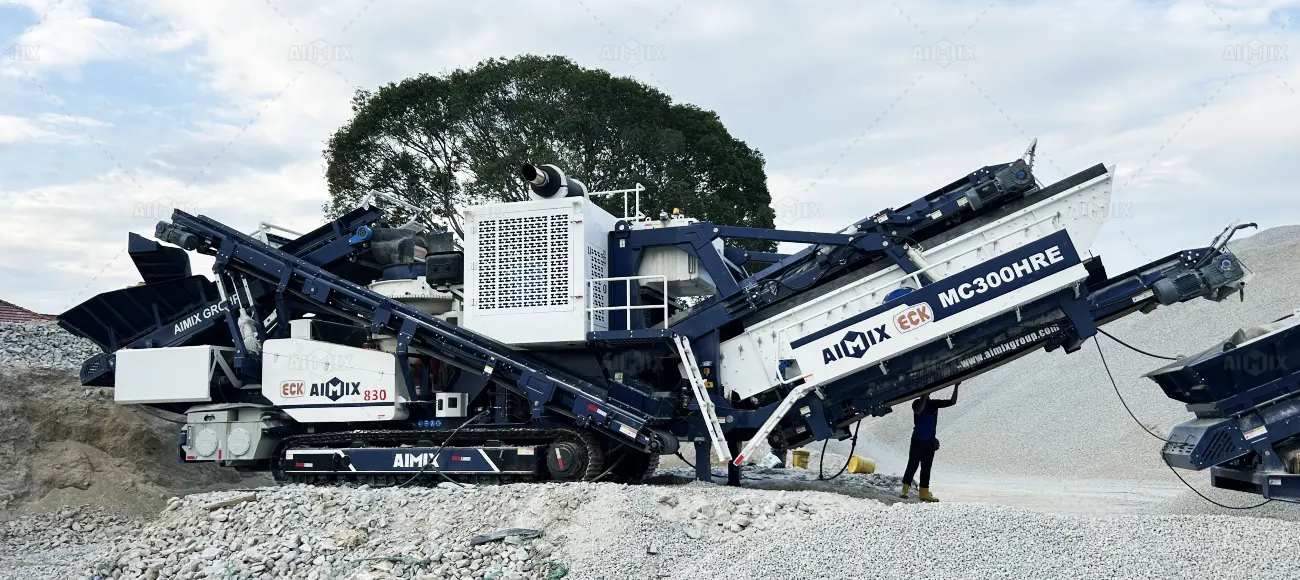
Measure Yield by Product Grade, Not Just Total Tonnage
A single overall yield figure cannot show which products are profitable or where material is being lost. Operators should record the quantity and quality of each product grade, including coarse aggregate, intermediate sizes, manufactured sand, and fines.
Regular sampling and sieve analysis help confirm whether each grade meets its specification. Production records can then be compared with sales data to identify products that accumulate in stockpiles without generating revenue. If demand for one size is limited, adjusting the crushing and screening circuit may improve the product mix, provided the changes do not compromise other grades.
For example, a quarry producing too much fine material may be able to change its feed distribution, pre-screen suitable undersized rock, or modify the secondary crushing setting. If the fines meet manufactured-sand requirements, adding appropriate classification or washing equipment may turn part of that stream into a saleable product. The right solution depends on market demand and material testing.
Track the Financial Impact of Yield Improvements
Improving product yield can increase revenue without requiring a larger feed supply, but the financial benefit should be calculated against any additional operating costs. Changes that reduce fines may also increase wear, energy consumption, or maintenance requirements if they are not properly controlled.
Useful indicators include saleable tons per hour, yield by product grade, energy consumption per saleable ton, wear-part cost per ton, and the quantity of unsold inventory. Comparing these metrics before and after an adjustment helps determine whether the change genuinely improves performance.
Operators should also consider the value of each product rather than treating all saleable tons as equally profitable. A slightly lower total yield may still produce a better financial result if the plant generates more of a high-demand aggregate grade and less material with a low selling price.
Conclusion
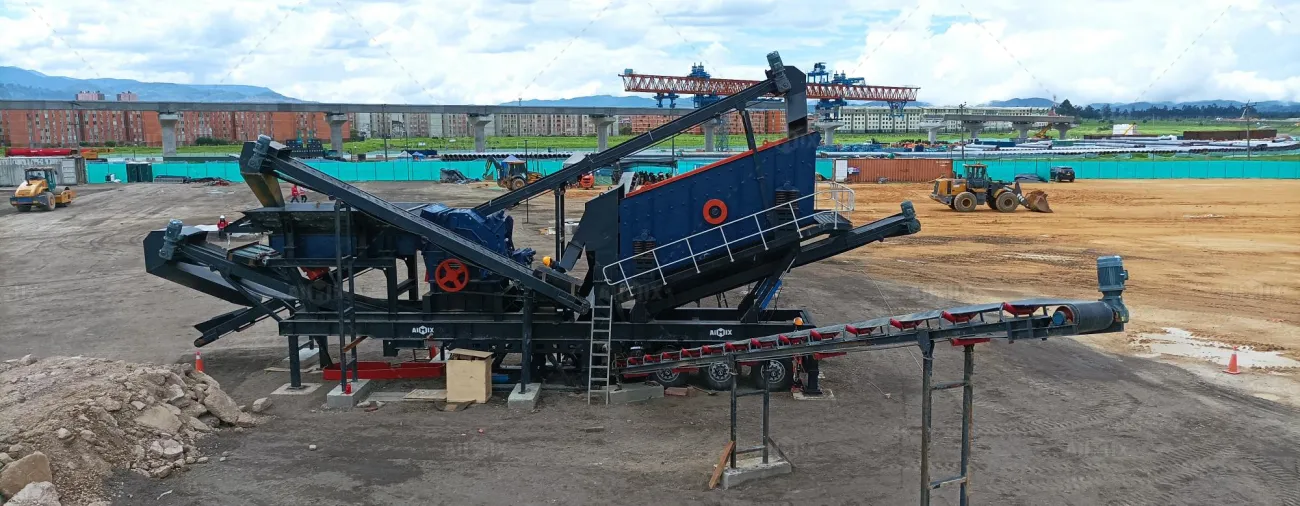
Increasing saleable aggregate yield from a mobile crushing plant requires coordinated control of feed material, crusher settings, screening efficiency, and product specifications. A mobile jaw crushing plant can support effective primary reduction, a mobile cone crushing plant can process hard rock into controlled sizes, and a mobile impact crushing plant can serve applications where reduction and particle shape are priorities. By identifying the source of excessive fines, separating suitable undersized feed, monitoring circulating loads, and measuring yield by product grade, operators can improve material recovery and profitability without relying solely on higher throughput.