Understanding the difference between batch mix plant and drum mix plant is essential for contractors and engineers in the road construction industry. Asphalt plant manufacturers prioritize specific design features in each type to meet the unique efficiency requirements of various construction scenarios. This article explores these differing design priorities and how they impact performance in road construction projects, enabling informed decisions for optimal efficiency and quality.
Understanding Batch Mix Plant Design Priorities
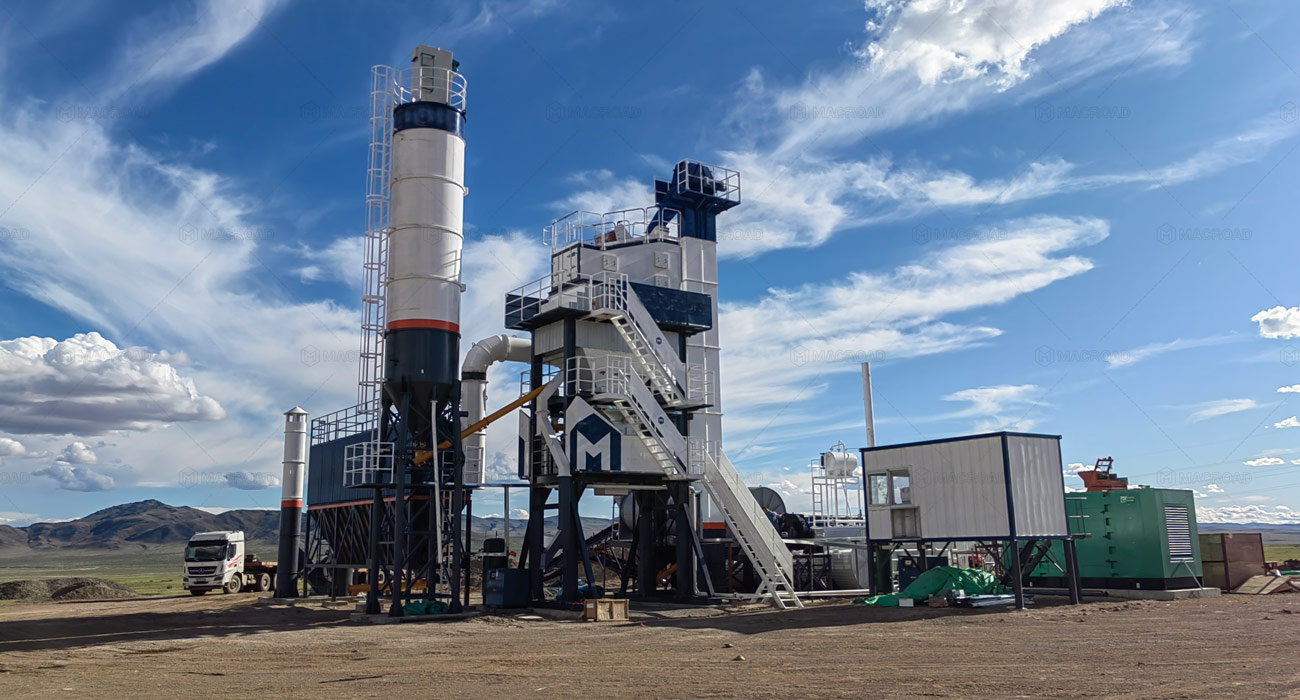
Batch mix plants are designed for versatility and precision, allowing for the production of different asphalt mixes with exact specifications. One key priority for asphalt plant manufacturers is the ability to control the mixing process closely. This involves using sophisticated weigh systems and batch controllers to ensure that each component is accurately measured and mixed, resulting in high-quality asphalt.
Additionally, batch mix plants emphasize flexibility. They can easily accommodate various aggregate types and mix designs, making them suitable for projects requiring diverse specifications. This adaptability is particularly valuable for contractors managing multiple projects in varying conditions. By focusing on precision and flexibility, batch mix plants ensure that contractors achieve the desired quality and performance for each specific road construction scenario.
Priorities in Drum Mix Plant Design
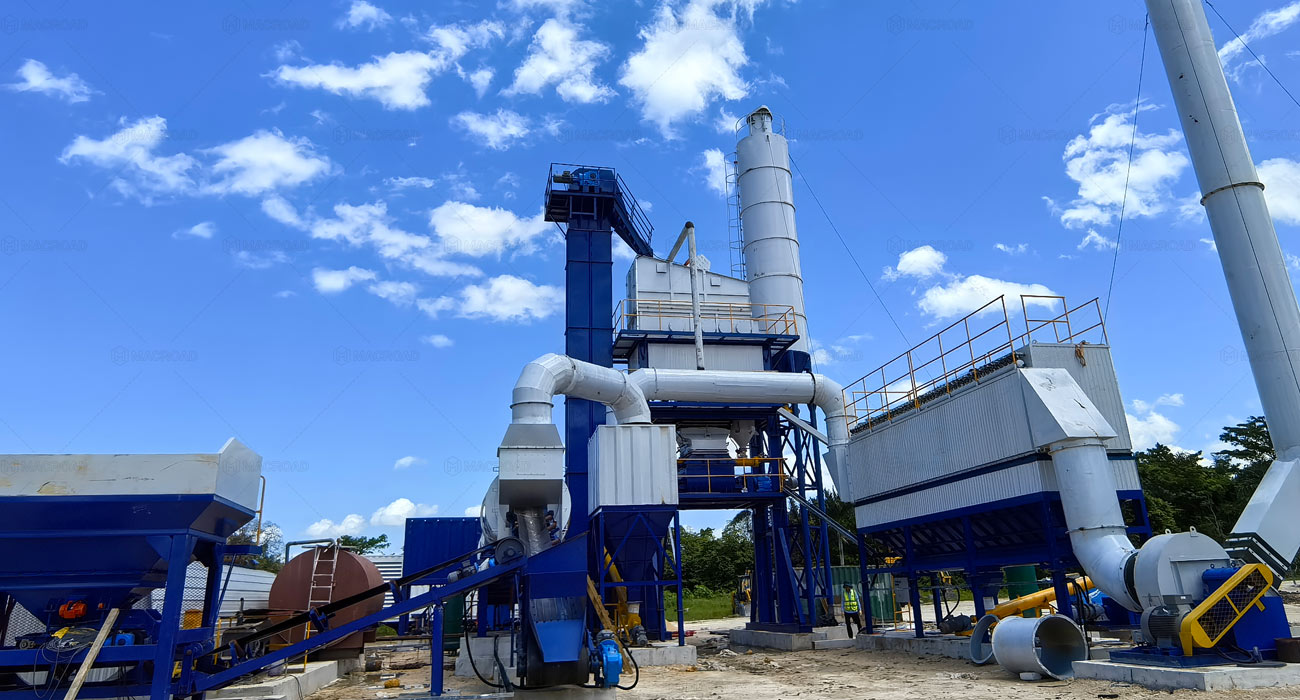
In contrast, the design priorities of asphalt drum mix plant center around efficiency and continuous production. Asphalt plant manufacturers focus on creating systems that can produce large volumes of asphalt quickly. This is achieved through streamlined processes, where heating, mixing, and storage occur simultaneously within a single unit, significantly reducing production time.
Another priority is the integration of advanced burner systems that optimize fuel consumption. Efficient heating mechanisms not only enhance productivity but also reduce operational costs. For projects requiring high-output asphalt in a short time frame, drum mix plants are ideal. Their design minimizes downtime and maximizes throughput, making them particularly effective for large-scale road construction endeavors where efficiency is critical.
Aligning Design with Road Construction Needs
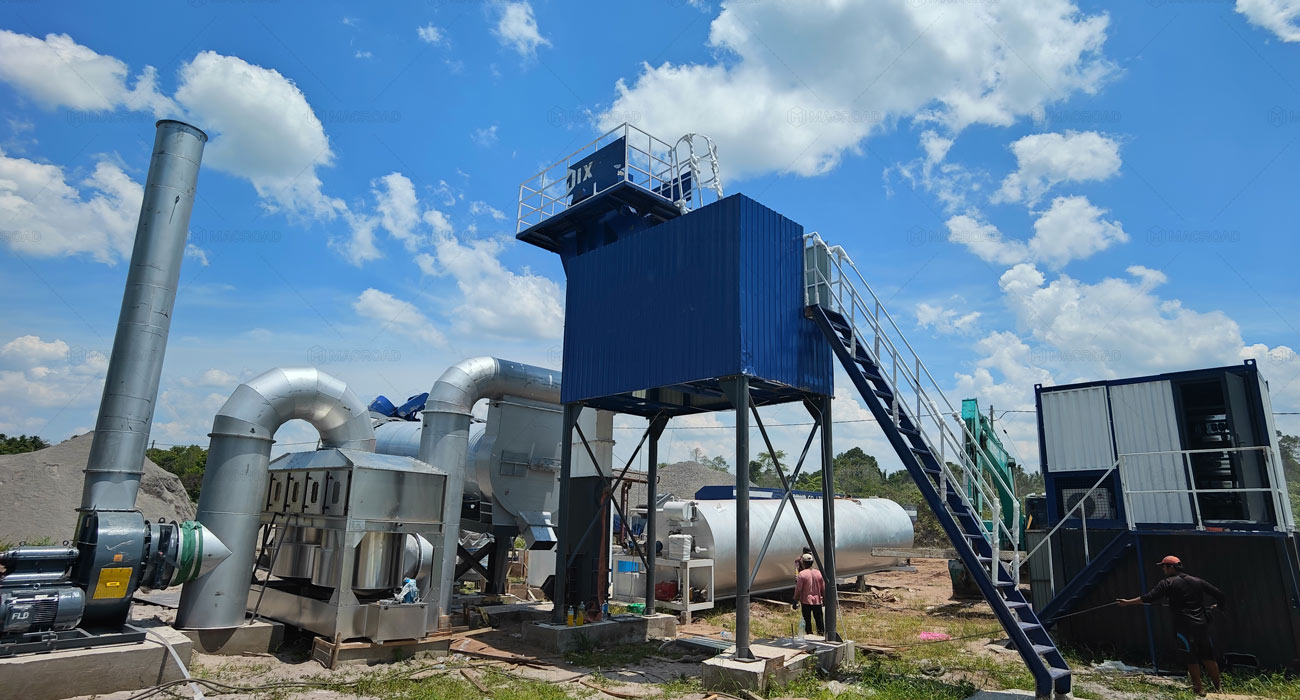
The choice between a batch mix plant and a drum mix plant often depends on the specific demands of a construction project. Batch mix plants, with their focus on quality and flexibility, are preferable for projects that require varied asphalt mixtures, such as specialized road surfaces or custom applications. These plants can adapt to changing requirements, ensuring that the right mix is available at all times.
On the other hand, drum mix plants are favored for large-scale projects that demand high production volumes. Their efficient design allows for continuous operation, making them well-suited for busy construction schedules. Asphalt plant manufacturers understand this dynamic and design their equipment to align with the operational needs of contractors, enabling them to select the most appropriate asphalt plant type based on the project’s scale and complexity.
Conclusion
In conclusion, the difference between batch mix plant and drum mix plant comes down to the design priorities emphasized by asphalt plant manufacturers. Batch mix plants focus on precision and flexibility, making them ideal for varied asphalt specifications, while drum mix plants prioritize efficiency and high output for large-scale projects. Understanding these design differences enables contractors to choose the right equipment for their road construction scenarios effectively. Ultimately, aligning the type of asphalt plant with project requirements ensures optimal performance and quality, essential for successful infrastructure development.