Rubber Tyred Gantry (RTG) cranes are among the most versatile heavy-lifting machines used in modern industry. They are essential for moving heavy steel plates, timber bundles, large machinery, construction components, and other substantial loads with precision and efficiency. Their ability to operate in various outdoor and indoor industrial environments makes them invaluable across steel yards, timber processing facilities, shipyards, heavy equipment assembly sites, and large-scale construction projects.
Given the wide range of applications and the heavy loads involved, RTG cranes must be manufactured according to rigorous standards. Professional rubber tyred gantry crane manufacturers follow internationally recognized design, fabrication, and testing protocols to ensure safety, reliability, durability, and optimal performance. Adherence to these standards is critical for cranes to perform consistently under diverse industrial conditions.
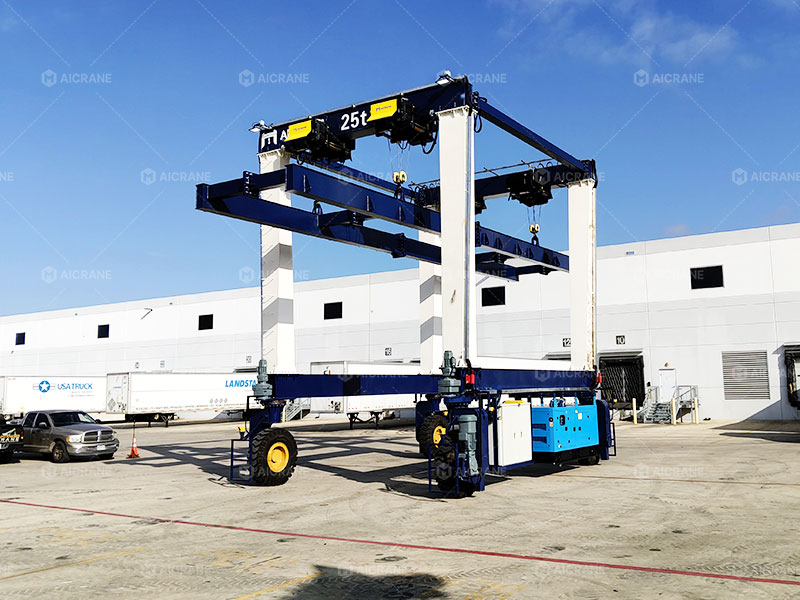
1. Importance of Manufacturing Standards for RTG Cranes
RTG cranes are complex systems integrating structural steel frameworks, hoisting mechanisms, electrical and control systems, and safety devices. Manufacturing standards play a crucial role in:
- Safety: Preventing accidents caused by structural failures, electrical faults, or operational errors.
- Performance: Ensuring smooth operation and precise control for diverse heavy materials.
- Durability: Withstanding repetitive and high-intensity loads over long periods.
- Reliability: Minimizing maintenance needs and operational downtime.
- Regulatory Compliance: Meeting local, regional, and international industrial safety regulations.
High-quality RTG manufacturers embed these standards throughout the lifecycle of the crane, from design and material selection to fabrication, assembly, testing, and documentation.
2. Key International Standards in RTG Crane Manufacturing
a) ISO 9001 — Quality Management System
ISO 9001 establishes a framework for quality management systems (QMS) applicable to all stages of manufacturing. For RTG cranes, ISO 9001 ensures consistent processes in design, material procurement, production, inspection, and after-sales service. This guarantees that cranes meet performance and safety requirements regardless of the industry or load type.
b) ISO 4301 — Crane Classification by Service Conditions
ISO 4301 classifies cranes by service category based on load spectrum, duty cycle, and operational frequency. RTG cranes often operate continuously, lifting heavy steel, timber, or industrial machinery. Using ISO 4301 standards allows manufacturers to design:
- Appropriate gear and motor specifications.
- High-performance braking systems.
- Structural components capable of handling repeated stress cycles.
- Safety factors for diverse load conditions.
This ensures the crane’s mechanical and structural components are appropriate for the intended industrial application.
c) ISO 4306 — Crane Vocabulary and Definitions
ISO 4306 standardizes crane terminology, covering loads, lifting mechanisms, and component definitions. Clear terminology ensures consistent engineering documentation, operator guidance, and maintenance instructions across multiple industrial sectors.
d) ISO 12482 & Related Safety Standards
Although initially focused on container handling cranes, ISO 12482 provisions on emergency stops, anti-collision systems, and operator safety are equally important for RTG cranes handling heavy steel, timber, or machinery. Proper safety measures minimize accidents and enhance operational efficiency in any industrial setting.
3. Regional and National Standards
a) ASME B30 Series (USA)
The ASME B30 standards specify safety and operational requirements for cranes and lifting equipment, including:
- Structural strength and stability.
- Safety devices such as limit switches and overload protection.
- Inspection and maintenance procedures.
- Operator qualifications and operational manuals.
These standards are widely referenced in heavy industries where RTG cranes handle various heavy materials.
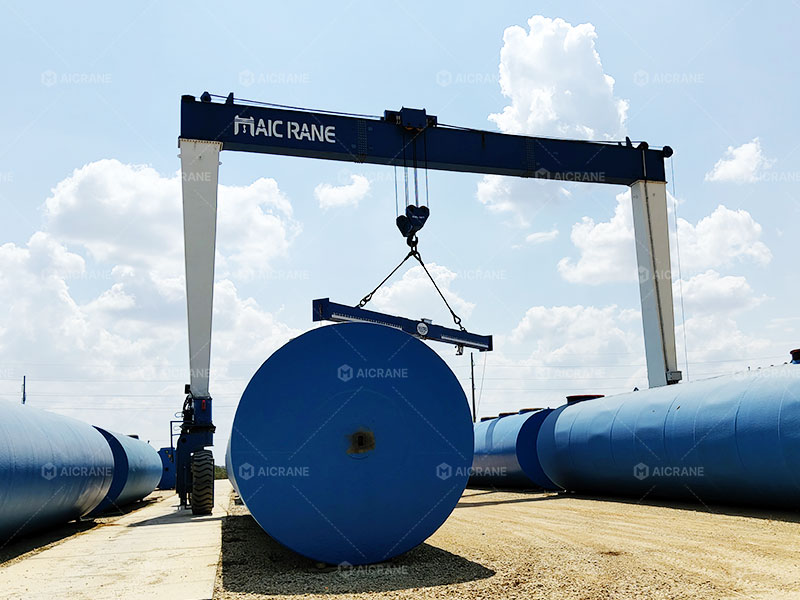
b) European Standards (EN)
European standards such as EN 15011 (bridge and gantry cranes) and EN 13001 (general crane design) emphasize:
- Safety through structural design.
- Risk assessment and mitigation.
- Compliance with EU machinery directives.
Following EN standards ensures RTG cranes are safe and reliable across multiple industrial environments.
4. Design and Engineering Standards
a) Structural Steel Design Codes
Standards like AISC (American Institute of Steel Construction) or Eurocode 3 guide the design of structural components. They define:
- Load combinations and stress calculations.
- Welding requirements and joint integrity.
- Fatigue resistance under repetitive loads.
These are critical when RTG cranes lift heavy steel, machinery, timber, or other industrial materials in demanding conditions.
b) Electrical and Control System Standards
Standards such as:
- IEC 60204-1 — Electrical equipment of machines.
- IEC 61131 — PLC and automation standards.
- IEEE standards for motors and drives.
ensure that electrical, control, and automation systems are safe, reliable, and compatible with industrial power systems across different regions.
5. Materials and Component Standards
a) Steel Quality
- ASTM A36, A572 (USA)
- EN 10025 (Europe)
High-strength steel is essential for the structural integrity of RTG cranes, especially when lifting heavy or oversized industrial loads.
b) Wire Rope and Lifting Components
Standards such as ISO 4309, EN 13115, and ASME B30.9 regulate:
- Wire rope construction and load ratings.
- Slings, hooks, and other lifting accessories.
- Inspection and replacement intervals.
Compliance ensures safe lifting regardless of the cargo type.
6. Fabrication, Welding, and Quality Control
a) Welding Standards
- AWS D1.1
- ISO 3834
These standards regulate welding quality, procedures, and welder qualifications to guarantee the structural integrity of mobile gantry crane components.
b) Nondestructive Testing (NDT)
Ultrasonic testing, magnetic particle inspection, and dye penetrant testing are used to detect hidden defects in critical structural components, ensuring reliability under industrial loads.
7. Factory Acceptance Testing (FAT)
FAT ensures that RTG cranes meet design specifications before delivery. Tests include:
- Rated load verification.
- Functionality of hoisting, travel, and safety systems.
- Control system performance under simulated working conditions.
This ensures cranes are reliable and safe for handling steel, timber, heavy equipment, and other industrial materials.
8. Environmental and Sustainability Standards
Many manufacturers adopt ISO 14001 environmental management practices and energy-efficient technologies, such as:
- Eco-friendly paint and coating systems.
- Regenerative drive systems to save energy.
Sustainable manufacturing practices reduce environmental impact while supporting long-term operational efficiency.
9. Documentation and After-Sales Support
Professional RTG crane manufacturers provide:
- Operation and maintenance manuals aligned with industry standards.
- Inspection records and material traceability.
- Warranty coverage and technical support.
These services are crucial for safe and efficient operation across diverse industrial applications.
10. Choosing a Professional RTG Crane Manufacturer
When selecting a supplier, buyers should look for:
✔ ISO 9001 certification
✔ Compliance with ISO, EN, or ASME standards
✔ Proven FAT and load test results
✔ High-quality fabrication and welding
✔ Traceable materials and certified components
✔ Advanced safety systems suitable for multiple industries
✔ After-sales service and spare parts support
Professional standards ensure that RTG cranes deliver safety, reliability, and performance, regardless of the industrial sector.
Conclusion
Rubber Tyred Gantry cranes are indispensable in modern industrial operations, handling steel, timber, machinery, and other heavy materials. Adherence to international and regional manufacturing standards—including ISO, EN, and ASME—ensures that RTG cranes operate safely, reliably, and efficiently across multiple industries. Choosing a manufacturer that follows these standards is essential for maximizing performance, reducing downtime, and ensuring long-term value.