When buyers begin searching for an EOT (Electric Overhead Travelling) crane, the first instinct is often to compare prices. In competitive industrial markets—steel fabrication, power plants, manufacturing workshops, and warehouses—it is tempting to assume that the lowest price automatically means the best deal. However, when it comes to heavy lifting equipment, the cheapest EOT crane price is rarely the smartest choice.
An EOT crane is not a disposable product. It is a long-term capital asset that directly affects production efficiency, workplace safety, maintenance costs, and even regulatory compliance. Choosing a crane based purely on the lowest upfront price can lead to hidden costs that far exceed the initial savings.
This article explains why the cheapest EOT crane price is not the best choice and what buyers should consider instead when making an informed purchasing decision.
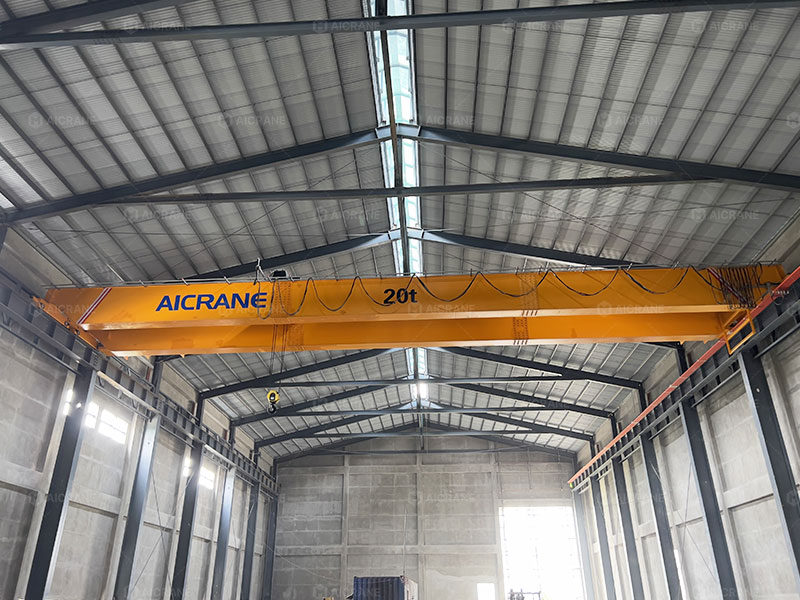
1. EOT Cranes Are Long-Term Industrial Assets, Not Short-Term Purchases
An EOT crane typically operates for 10–25 years or more, depending on duty class, usage frequency, and maintenance quality. Over its lifetime, the purchase price usually represents only a small portion of total ownership cost.
Low-priced cranes often compromise on:
-
Structural design margins
-
Component quality
-
Electrical systems and controls
-
Manufacturing standards
While the upfront price looks attractive, these compromises can shorten service life, increase downtime, and reduce reliability—especially in demanding applications such as steel mills or high-capacity fabrication plants.
Key insight:
A crane that costs less today but requires frequent repairs or early replacement is far more expensive in the long run.
2. Structural Steel Quality Directly Impacts Safety and Longevity
One of the most common cost-cutting methods in cheap EOT cranes is reducing steel quality or section size.
What often happens in ultra-low-price cranes:
-
Lower-grade structural steel
-
Thinner web plates and flanges
-
Minimal fatigue design consideration
-
Limited or no stress analysis
These shortcuts may not be obvious during initial inspection, but over time they can cause:
-
Excessive deflection
-
Weld fatigue cracks
-
Reduced load stability
-
Higher risk of structural failure
In contrast, a properly engineered EOT crane uses certified steel materials and optimized girder design to withstand long-term cyclic loading safely.
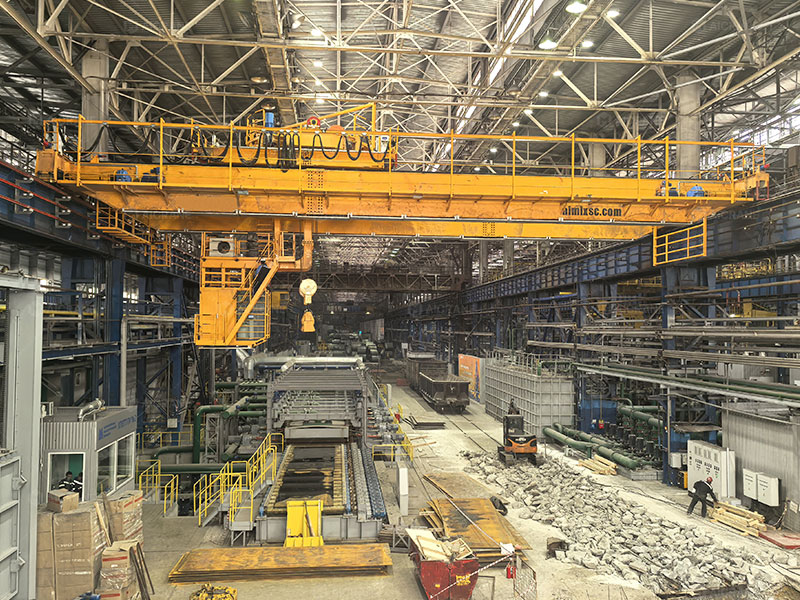
3. Cheap Components Mean Higher Failure Rates
An EOT overhead crane for sale is a system made up of critical components working together. The cheapest crane prices are often achieved by using low-cost, non-branded, or uncertified components, including:
-
Hoist motors
-
Gearboxes
-
Brakes
-
Wire ropes
-
Limit switches
-
Electrical contactors
Risks of low-quality components:
-
Inconsistent lifting speed
-
Brake slippage under load
-
Frequent electrical faults
-
Shorter replacement cycles
For example, a low-grade braking system may pass initial tests but degrade quickly, creating serious safety hazards during heavy lifting. Component failure does not just stop production—it can damage loads, endanger workers, and expose the owner to liability.
4. Poor Duty Class Matching Leads to Early Breakdown
Many buyers are unfamiliar with crane duty classifications (such as A3, A5, A7, etc.). Some low-price suppliers intentionally offer cranes designed for lighter duty while marketing them for heavier applications.
Consequences of incorrect duty selection:
-
Motors overheat
-
Gearboxes wear prematurely
-
Hoists fail under repetitive loads
-
Electrical systems trip frequently
A light duty overhead crane designed for occasional lifting will not survive continuous or high-frequency operation. The cheapest price often hides the fact that the crane is under-designed for the actual working conditions.
5. Limited Safety Systems Increase Operational Risk
Modern EOT cranes are expected to meet increasingly strict safety expectations. Low-cost cranes often exclude or simplify safety systems to reduce price.
Commonly missing or downgraded safety features include:
-
Overload protection systems
-
Emergency stop redundancy
-
Anti-collision systems (for multi-crane workshops)
-
Hoist upper and lower limit reliability
-
Phase loss and voltage protection
Without these protections, operators face higher accident risk, and facilities may fail safety audits or insurance requirements.
6. Manufacturing Quality and Testing Are Often Compromised
Another hidden cost of the cheapest EOT crane price is weak quality control.
Low-cost manufacturers may:
-
Skip non-destructive weld testing
-
Reduce assembly accuracy
-
Limit factory load testing
-
Rely on visual inspection only
A crane that is not properly tested under load may still be shipped, leaving potential defects undiscovered until installation or operation. On-site failures are far more expensive to correct than factory adjustments.
7. Installation and Commissioning Costs Are Often Overlooked
The cheapest crane price often excludes:
-
Installation guidance
-
Commissioning support
-
Load testing at site
-
Operator training
Without proper installation and commissioning, even a well-built crane can suffer alignment issues, abnormal wear, and unsafe operation. Buyers frequently discover that they must spend additional money hiring third-party experts to compensate for the lack of supplier support.
8. After-Sales Service Determines Real Value
An EOT crane purchase does not end at delivery. Over its lifetime, the crane will require:
-
Spare parts
-
Technical troubleshooting
-
Maintenance guidance
-
Possible upgrades
Suppliers offering the lowest prices often lack:
-
International service experience
-
Spare parts availability
-
Engineering response capability
When downtime occurs, delays in technical support can halt production entirely. The cost of lost output often exceeds the initial savings gained from choosing the cheapest option.
9. Compliance and Certification Risks
In many regions, industrial overhead cranes must comply with specific standards and inspections. Low-price cranes may lack:
-
Complete documentation
-
Material traceability
-
Standard-compliant design calculations
This can create problems during:
-
Government inspections
-
Insurance assessments
-
Plant audits
-
Export or resale
A crane that fails compliance checks may require costly retrofitting or, in extreme cases, be prohibited from operation.
10. Total Cost of Ownership Matters More Than Purchase Price
The smartest buyers evaluate EOT cranes based on total cost of ownership (TCO), not just initial price.
TCO includes:
-
Purchase price
-
Installation and commissioning
-
Energy efficiency
-
Maintenance and spare parts
-
Downtime losses
-
Service life
A crane with a slightly higher purchase price but better design, higher-quality components, and reliable support often delivers significantly lower lifetime costs.
Conclusion: Value, Not Price, Should Guide Your EOT Crane Decision
The cheapest EOT crane price may look appealing on paper, but it often reflects compromises in design, materials, components, safety, and service. For industrial lifting applications—where safety, reliability, and productivity are critical—these compromises can lead to far greater costs over time.
A well-chosen EOT crane should:
-
Match actual working conditions and duty class
-
Use proven components and certified materials
-
Include proper safety systems
-
Come with reliable installation and after-sales support
In the end, the best EOT crane is not the cheapest one – it is the one that delivers stable performance, long service life, and peace of mind. Choosing value over the lowest price is not just a smarter investment – it is a safer and more sustainable decision for any industrial operation.