Let’s talk about building a limestone crushing plant. It’s a fantastic business opportunity, supplying the literal bedrock of construction. But jumping in without a map is a sure way to hit some expensive potholes. This isn’t just about buying the biggest limestone crusher you can afford and finding a pile of rock. A successful operation sits at the intersection of geology, engineering, economics, and community relations. Before you pour a single foundation pad, you need to think in systems—from what’s under your feet to what your final product looks like and who’s going to buy it. Getting these foundational considerations right isn’t just good practice; it’s what separates a thriving, long-term asset from a money-pit that just makes a lot of noise and dust.
The Bedrock of Your Business: Resource and Regulatory Due Diligence
Everything starts with the rock itself. You might own a beautiful hillside of limestone, but its true value isn’t in the view—it’s in a geologist’s report. Skipping this step is like buying a car without checking the engine.
Geological and Geochemical Assessment
You need to know much more than just “there’s limestone here.” A professional assessment will give you the proven and probable reserves—the volume of commercially viable material. Crucially, it will analyze the chemical composition and physical properties. The hardness (often measured on the Mohs scale or by its Los Angeles Abrasion value), the silica content, and the presence of impurities like clay seams or chert nodules will dictate everything. Hard, abrasive stone will wear out crusher parts faster but may produce a premium aggregate. Softer stone is easier on equipment but might not meet spec for high-strength concrete. The rock’s natural fracture patterns will influence the final particle shape, which is a huge factor for aggregate quality. This isn’t academic data; it’s the blueprint for your entire plant design and financial model.
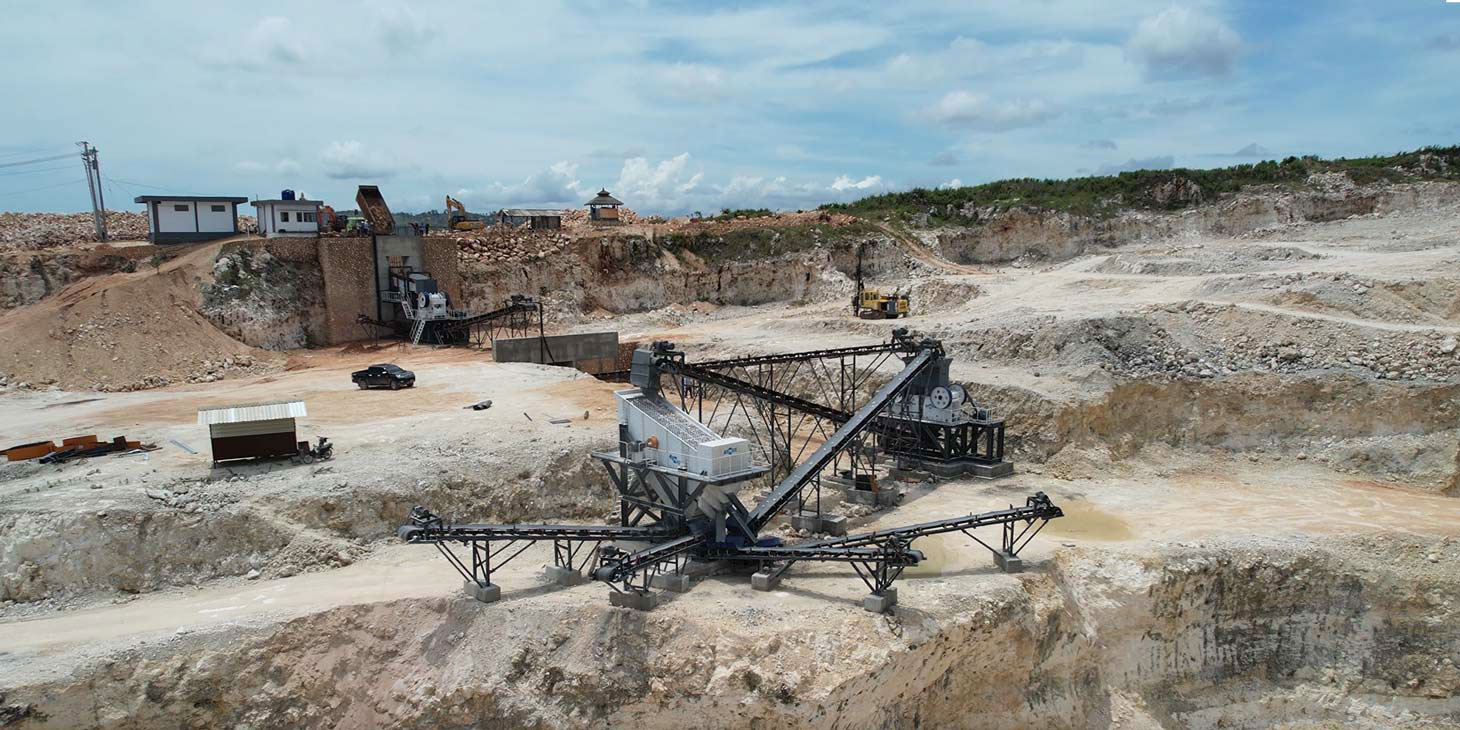
The Permitting Labyrinth and Community Footprint
While the geologist is working, your parallel mission is navigating the regulatory landscape. This is often the longest pole in the tent. You’ll be dealing with zoning, environmental impact assessments, water use permits, air quality (dust) management plans, and possibly mining or mineral extraction licenses. This process isn’t about checking boxes; it’s about designing your operation’s social license from the outset. How will you control fugitive dust? What’s your stormwater and process water management plan? What are the hours of operation, and how will you mitigate noise for neighbors? Proactively addressing these concerns in your permit applications doesn’t just smooth approvals; it builds trust with the local community and prevents costly shutdowns or litigation down the road. Think of permitting not as a barrier, but as the framework for responsible operation.
Engineering the Production System: Matching Plant to Material and Market
With a solid resource and permit strategy, you can now design the plant itself. This is where you translate rock characteristics into saleable products. The wrong equipment choice is a capital sin you’ll pay for every single day.
Crusher Selection and Circuit Design
The heart of the matter is the crushing circuit. For limestone, a classic and effective setup often involves a primary jaw crusher for the initial break, followed by a secondary cone crusher to refine the shape and size. Why a cone crusher for secondary? It’s excellent at producing the cubical particles that are gold standard in construction aggregates, providing better interlock and stability in concrete and asphalt. The specific model and chamber design of that cone crusher will be chosen based on your desired product size and the hardness of your limestone. But the aggregate crushers are just part of the story. You need a sizing and screening circuit to sort the crushed material into your product lines—maybe a ¾” road base, a ½” aggregate for concrete, and a manufactured sand. The efficiency of your screens directly determines your yield and product quality.
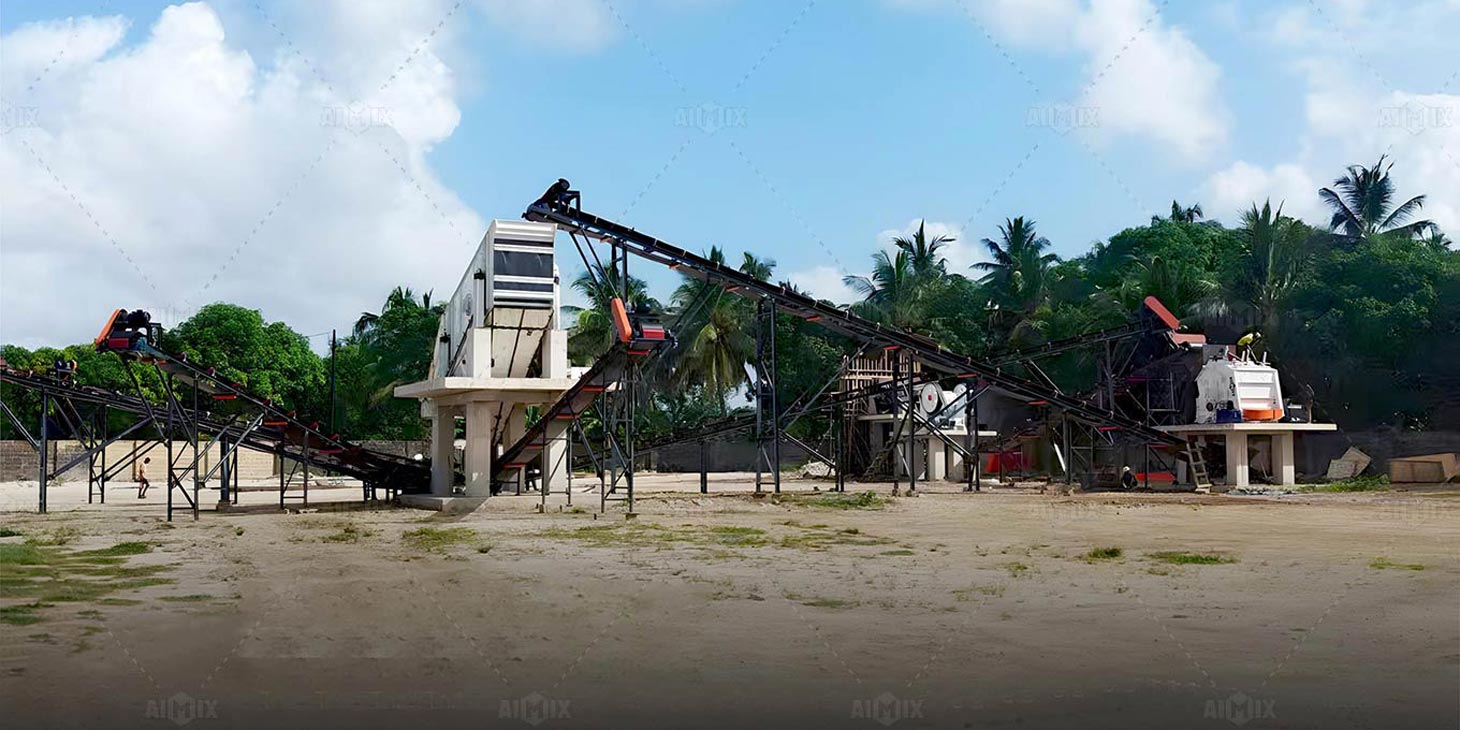
Throughput, Logistics, and Ancillary Needs
You must design for a realistic throughput (tons per hour) that matches your market access and sales projections. This dictates the size of everything: stone crusher machine capacity, conveyor widths, and the scale of your load-out area. Then, consider the entire material flow. How will raw rock get from the quarry face to the primary crusher? (Usually, with large loaders or dump trucks). Where will your finished aggregates be stockpiled? How will customer trucks be loaded efficiently? Don’t forget the ancillary systems that keep you running: a robust workshop for maintenance, reliable power supply (which may mean a dedicated transformer or backup generators), and a water system for dust suppression. Your plant is an ecosystem, and every part must function in balance.
The Commercial Blueprint: Economics, Market, and Operational Viability
A perfectly engineered plant in the wrong location, or one producing a product no one wants, is a museum piece. The commercial strategy is what makes the wheels turn—literally.
Market Analysis and Product Positioning
Who are your customers? Local ready-mix concrete plants? Road construction contractors? A state Department of Transportation (DOT) project? Each has strict, and different, material specifications. Your plant must be designed to reliably produce aggregates that meet these specs, whether it’s a specific gradation band (like AASHTO #57) or a low percentage of deleterious materials. You need to understand the competitive landscape, stone crusher machine price in your region, and the cost of trucking to your market radius. Being 10 miles further from the major highway than a competitor can erase your profit margin if you don’t account for it.
The Total Cost of Ownership and Operational Philosophy
Finally, run the numbers with brutal honesty. Your financial model must go far beyond the purchase price of equipment. Calculate your cost per ton by factoring in fuel, electricity, wear parts (liners, screen meshes), labor, maintenance, royalty payments, and depreciation. This number is your financial compass. Then, establish your operational philosophy from day one. This means a relentless focus on preventative maintenance to avoid catastrophic downtime, a rigorous quality control program with frequent sieve analysis, and a culture of safety. Your most dangerous enemy isn’t competition; it’s unplanned stoppages and variable product quality. By locking in your commercial focus and operational discipline before you turn the key, you build a business that’s resilient, profitable, and built to last as long as the limestone it processes.